
LIVE: Global Debt Crisis Begins: What’s Next for Gold?

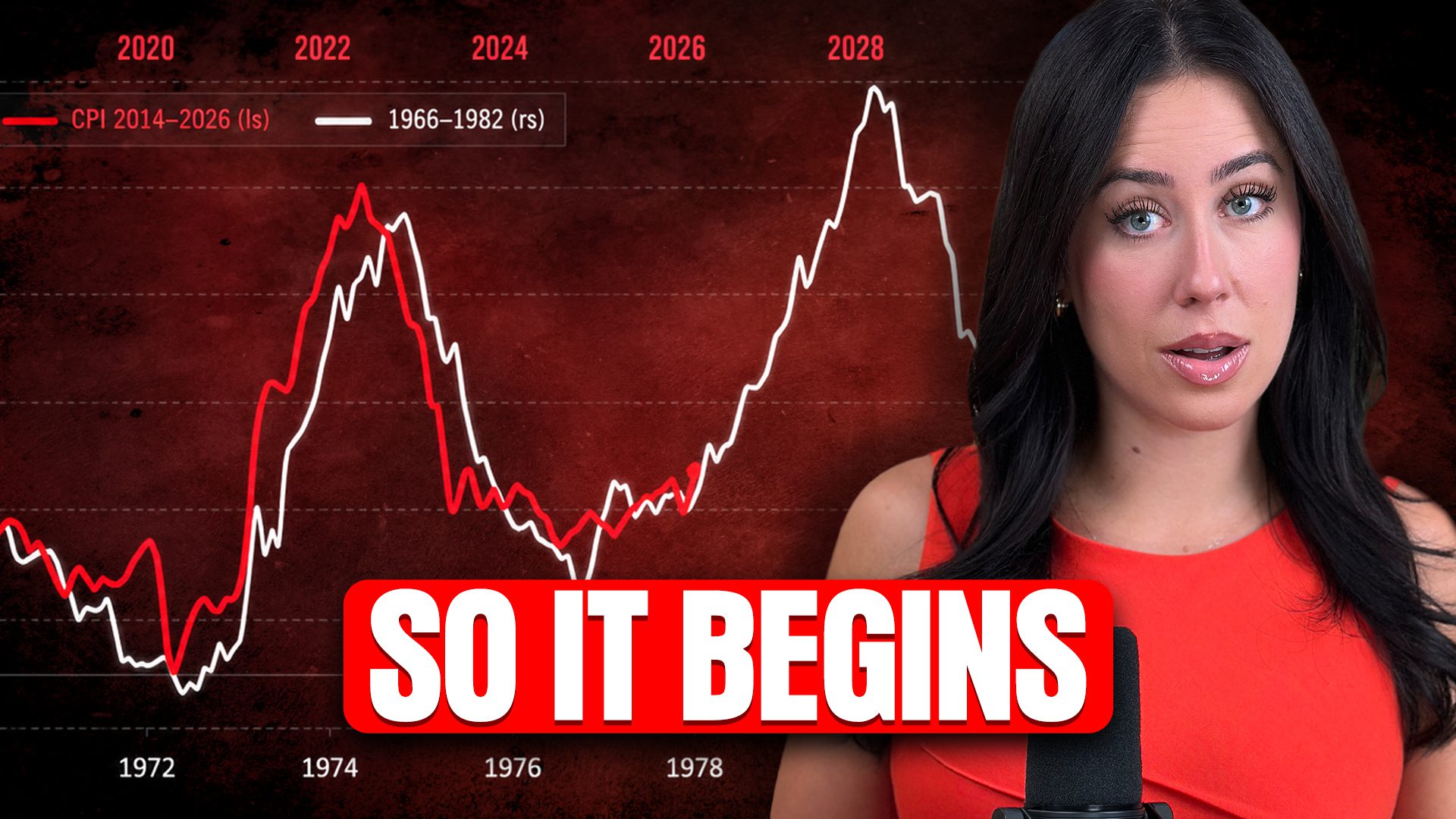
The global debt crisis is driving Treasury yields higher. Here’s what rising debt, inflation, and central-bank demand could mean for gold.
The Global Debt Crisis Is Hitting the Bond Market
For years, America’s growing debt was easier for markets to tolerate because interest rates were extremely low. Refinancing was cheap, investors continued buying Treasuries, and policymakers could keep adding debt without immediately feeling the consequences.
That environment has changed.
Today, the U.S. is carrying more than $40 trillion in gross federal debt while longer-term Treasury yields remain historically elevated. The problem is no longer simply how much America owes. It is how expensive that debt is becoming to carry.
Higher Treasury yields can ripple across the economy through:
- Mortgage rates
- Business borrowing
- Consumer credit
- Bond portfolios
- Stock valuations
- Federal interest expense
For retirees and conservative savers, that matters because many traditional assets still depend on the same underlying system: the purchasing power and stability of the U.S. dollar.
Debt Can Be Reduced Through Inflation
Governments generally have limited options when debt becomes unsustainable.
They can generate enough economic growth and tax revenue to stabilize it. They can default or restructure obligations. Or they can allow inflation and currency depreciation to reduce the real value of what they owe.
That last option is especially dangerous for savers.
Your account may still say $100,000, but what matters is how much food, housing, healthcare, energy, and insurance those dollars can actually buy.
Inflation does not have to destroy a currency overnight to destroy purchasing power.
Why Isn’t Gold Surging Every Day?
If the debt outlook is worsening, investors often ask why gold does not simply rise in a straight line.
The answer is that gold faces both short-term and long-term forces.
When Treasury yields rise, investors may temporarily prefer bonds that offer interest payments. A stronger dollar can also pressure gold prices in the short term.
But the more important question is: Why are yields rising?
If investors are demanding higher yields because of inflation risk, massive government borrowing, fiscal uncertainty, or declining confidence, the longer-term implications for gold can look very different.
Short-term price pressure does not erase the longer-term monetary argument.
Central Banks Keep Buying Gold
One of the strongest signals is coming directly from central banks.
Around the world, reserve managers have continued buying large quantities of physical gold while seeking greater diversification away from traditional currency reserves.
Why?
Gold carries no issuer risk. It cannot be printed by a central bank, and physical gold held directly does not depend on another government fulfilling a financial promise.
The institutions responsible for creating and managing currencies are continuing to accumulate an asset outside that currency system.
That should get investors’ attention.
Could Gold Play a Bigger Monetary Role?
The United States still values its official gold reserves at the statutory price of $42.22 per ounce—far below the market price.
Federal Reserve researchers have also studied historical examples of governments revaluing official reserve assets, including gold.
That does not mean a U.S. gold revaluation is imminent. Any specific future price remains speculation.
But it does show that gold is still relevant when policymakers discuss sovereign balance sheets, monetary credibility, and financial stress.
Gold and Silver as Tangible Assets
Physical gold and silver can serve a different purpose than stocks, bonds, bank deposits, or annuities.
They are tangible assets held outside the traditional financial system when directly owned and stored.
For investors focused on wealth preservation, that can provide diversification against:
- Inflation
- Dollar devaluation
- Banking stress
- Financial-market volatility
- Rising sovereign debt
Gold has historically played the larger monetary-reserve role, while silver also benefits from significant industrial demand.
Neither metal is guaranteed to rise continuously. Both can experience volatility. But unlike fiat currency, physical precious metals cannot be created with a keystroke.
What Comes Next for Gold?
The most important signal may not be one specific debt number. It is the acceleration.
Debt is rising. Interest costs are climbing. Bond yields remain elevated. Central banks are buying gold. And policymakers are increasingly discussing monetary alternatives that would have seemed unthinkable years ago.
None of that guarantees an immediate currency crisis.
But it does raise a critical question for retirement savers:
How much of your wealth depends entirely on the continued stability of the dollar and the financial system built around it?
The global debt crisis may unfold gradually, but markets often move before the danger becomes obvious.
About ITM Trading
ITM Trading has over 28 years of experience helping clients safeguard their wealth through personalized strategies built on physical gold and silver. Our team of experts delivers research-backed guidance tailored to today’s economic threats.
THINKING ABOUT PURCHASING GOLD & SILVER?
Get expert guidance from our team of analysts with 28+ years of experience.
👉 [SCHEDULE YOUR CALL HERE] or call 866-351-4219