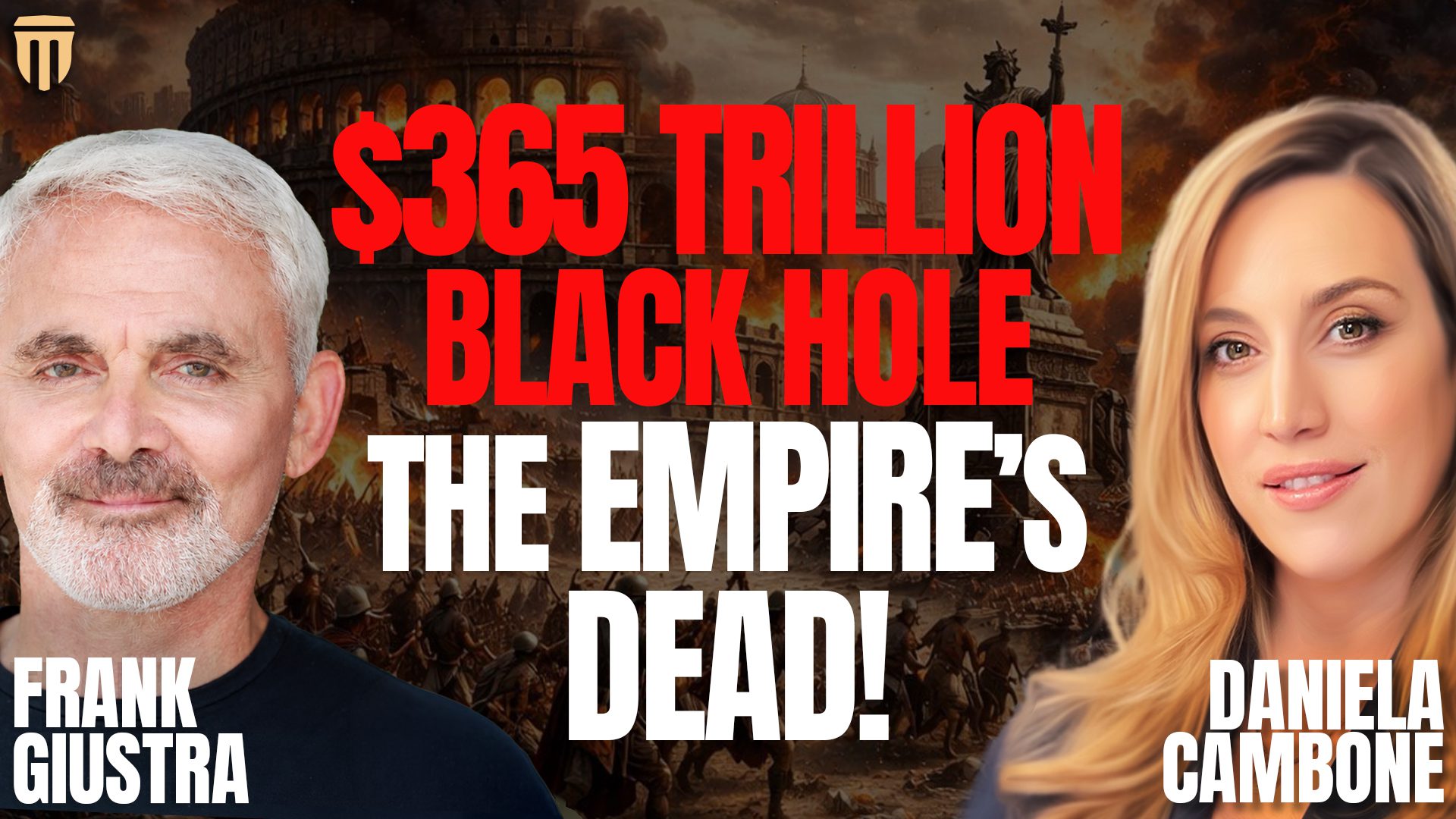



Frank Giustra: We’re Walking into WW3, U.S. Politics a “Viper’s Nest”
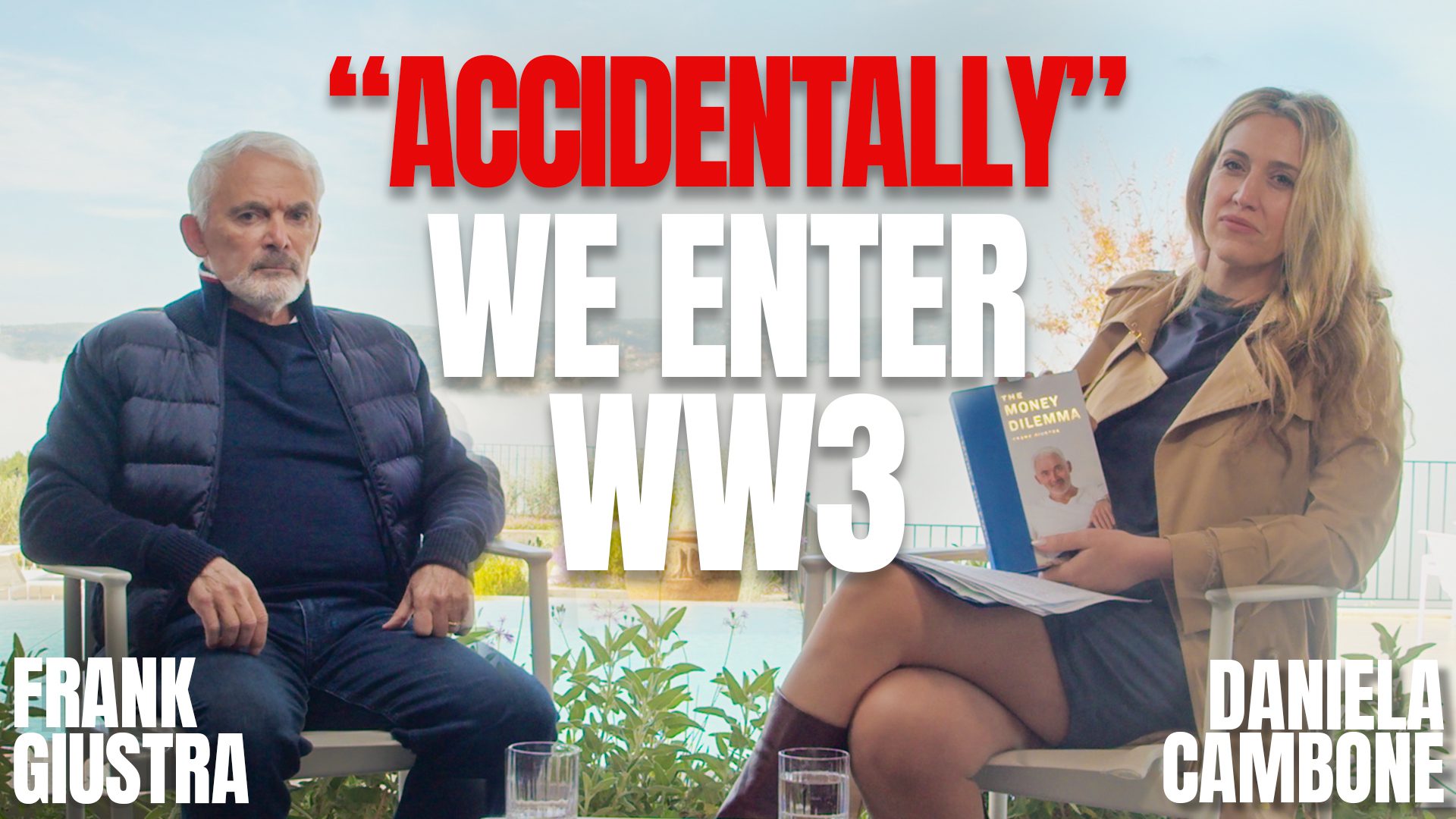
The world may be stumbling toward World War 3, and according to billionaire investor Frank Giustra, the greatest danger may be a catastrophic miscalculation rather than a deliberate decision to go to war.
In a wide-ranging interview with ITM Trading’s Daniela Cambone, Giustra delivers a sobering warning about global conflict, political dysfunction, and the economic problems Western governments appear unwilling to confront.
The founder of Lionsgate and longtime philanthropist also opens up about his relationship with former President Bill Clinton, the controversies surrounding his business career, and why he believes U.S. politics has become a “viper’s nest.”
But behind these revelations lies a larger question: What happens to your financial security when political leadership, geopolitical stability, and confidence in the economic system are all under pressure?
Frank Giustra’s World War 3 Warning: A Dangerous Global Transition
Giustra’s warning about a potential third world war comes from his decades of involvement in international conflict prevention, including his work with the International Crisis Group.
He believes the international system is undergoing a dangerous transformation.
“The old world order is dead,” Giustra tells Cambone.
His concern is that escalating tensions, diplomatic failures, and decisions made without sufficient consideration of their consequences could trigger a much larger conflict.
“We could be walking into World War III accidentally here,” he warns.
That distinction matters.
A global war doesn’t necessarily have to begin with a deliberate decision to start one. It could emerge from a series of escalating confrontations, mistakes, and failed diplomatic opportunities.
And the financial consequences of growing geopolitical instability are already worth examining.
According to the Stockholm International Peace Research Institute (SIPRI):
- Global military spending reached $2.887 trillion in 2025.
- Military expenditures increased for the 11th consecutive year.
- Worldwide spending rose 41% over the decade from 2016 through 2025.
These figures don’t establish that World War 3 is inevitable. They do, however, illustrate how governments are committing increasing resources to military preparedness. [Source: SIPRI, Trends in World Military Expenditure, 2025]
For Americans approaching or already in retirement, escalating geopolitical tensions raise serious questions about inflation, market volatility, and the resilience of their savings.
U.S. Politics Is a “Viper’s Nest,” Giustra Warns
One of the interview’s most revealing moments comes when Cambone asks Giustra about his relationship with Bill Clinton and the political controversies surrounding his business dealings.
Giustra describes the experience of becoming caught in political disputes during Hillary Clinton’s presidential campaigns.
He maintains that accusations surrounding his involvement in Kazakhstan and Uranium One misrepresented his role and says he addressed the controversies extensively in his book, The Money Dilemma.
His account is a personal defense of his record, not an independent determination of every disputed allegation.
What remains unmistakable is his view of the political environment.
“The US political scene is a viper’s nest,” Giustra says.
He argues that political campaigns can turn reputations into collateral damage, with individuals becoming targets because of their associations with public figures.
Despite his philanthropic relationship with Bill Clinton, Giustra says he has no interest in entering politics himself.
His reasoning points to a deeper concern about governing Western economies.
Western Economies Face a Painful Reckoning Nobody Wants to Discuss
Giustra believes the economic challenges confronting the United States, Canada, and Europe demand difficult choices that elected officials have little incentive to make.
As he explains to Cambone, politicians must appeal to voters with competing priorities. Some want governments to reduce spending, while others demand additional services and investment.
The resulting political pressure can make difficult fiscal reforms harder to implement.
Giustra’s assessment is stark:
“It’s gonna be painful to fix the mess we’re all in.”
Consider the United States.
By October 30, 2026, total U.S. public debt outstanding stood at approximately $40.52 trillion, according to Treasury data. [Source: U.S. Treasury, Debt to the Penny]
That growing debt load creates several important financial vulnerabilities:
- Higher borrowing costs: Rising interest rates can make refinancing government debt more expensive.
- Fiscal pressure: Larger interest obligations can compete with other federal spending priorities.
- Inflation risk: Persistent fiscal imbalances can complicate efforts to maintain long-term monetary stability.
- Retirement uncertainty: Inflation and market fluctuations can erode the real value of savings and fixed retirement income.
A large national debt does not automatically mean the dollar will collapse. However, it does increase the importance of responsible fiscal policy and sustainable borrowing.
The critical question is whether governments can make difficult decisions before financial pressures force their hand.
From Poverty to Billions: Frank Giustra’s Most Important Money Lesson
Giustra’s concerns about economic security are rooted partly in his childhood.
Growing up in a financially struggling immigrant family, he remembers watching other children enjoy bicycles and toys his parents couldn’t afford.
Those experiences created a powerful determination never to return to poverty.
But after achieving extraordinary financial success, he discovered something unexpected: money alone did not provide the fulfillment he had imagined.
Giustra describes how philanthropy ultimately gave him a deeper sense of purpose.
His experiences also taught him that wealth can disappear when people become careless.
Throughout the interview, he emphasizes patience, discipline, perseverance, and the dangers of allowing ego to influence financial decisions.
Those lessons matter for retirement planning.
Building wealth and protecting wealth are two different challenges.
Giustra’s business history demonstrates why understanding risk, avoiding overconfidence, and maintaining perspective are essential, particularly when economic conditions become uncertain.
Why Gold and Silver Matter During Geopolitical and Economic Instability
Giustra’s warnings raise an important wealth preservation question: How can individuals reduce their exposure to risks they cannot control?
This is where physical gold and silver enter the discussion.
While this portion extends beyond Giustra’s specific comments in the interview, precious metals have historically played a role in diversification during periods of monetary uncertainty and geopolitical stress.
Unlike bank deposits, stocks, or bonds, physical gold and silver are tangible assets that do not depend on an issuer’s promise to pay.
That does not mean they are risk-free. Precious metals can experience significant price swings, and physical ownership involves storage, insurance, and transaction costs.
But their characteristics differ from those of conventional financial assets.
Gold vs. Dollar: What Central Banks Are Telling Us
Central banks themselves continue to hold substantial gold reserves.
According to the World Gold Council:
- Central banks purchased a net 863 metric tons of gold in 2025.
- Global gold bar and coin demand reached approximately 1,374 metric tons, a 12-year high.
- Total gold demand exceeded 5,000 metric tons for the first time in 2025.
[Source: World Gold Council, Gold Demand Trends: Full Year 2025]
Central bank purchases slowed compared with 2024 but remained historically elevated.
Gold’s enduring role as a reserve asset reflects its liquidity, limited supply, and independence from any single government’s monetary obligations.
Silver offers a different combination of characteristics, serving as both a precious metal and an industrial commodity.
For investors assessing an inflation hedge, the distinction matters:
- Gold: Often used for long-term wealth preservation, monetary diversification, and exposure to a globally recognized reserve asset.
- Silver: Offers tangible ownership and monetary history alongside industrial demand, but generally with greater price volatility.
- U.S. dollars: Provide immediate liquidity and purchasing convenience, although their purchasing power can decline through inflation.
No single asset can eliminate financial risk. The question is whether a retirement strategy is sufficiently diversified to withstand more than one economic outcome.
The Bigger Warning: Financial Security Depends on More Than Political Promises
Perhaps the most important theme emerging from Cambone’s conversation with Giustra is the growing disconnect between the problems facing Western economies and the difficulty of addressing them politically.
Governments face debt pressures.
Global military expenditures continue to rise.
Geopolitical disputes carry the risk of unintended escalation.
And households must navigate these uncertainties while trying to protect the savings they spent decades accumulating.
Giustra does not claim to know precisely when the next geopolitical crisis will emerge. His warning is about the danger of allowing unresolved conflicts and systemic vulnerabilities to accumulate.
For retirement savers, the lesson is not to predict the next crisis. It is to understand how vulnerable their financial plans may be if one occurs.
That means examining purchasing-power risk, diversification, liquidity, and whether tangible assets such as physical gold and silver have an appropriate place in a long-term strategy.
Conclusion: The Cost of Waiting for Stability
Frank Giustra’s interview presents a sobering picture of a world facing mounting geopolitical tensions and difficult economic decisions.
His experience across finance, business, politics, and humanitarian work offers a perspective on the fragility of institutions and the importance of managing risk.
The possibility of World War 3 remains uncertain. But geopolitical instability, fiscal pressure, and the ongoing challenge of preserving purchasing power are real considerations for investors.
You cannot control the decisions made in Washington or the direction of global conflicts. You can evaluate how prepared your wealth is for unexpected economic conditions.
For Americans focused on protecting their retirement savings, understanding the role of physical gold and silver in a diversified wealth preservation strategy may be a practical place to begin.
About ITM Trading
ITM Trading has over 28 years of experience helping clients safeguard their wealth through personalized strategies built on physical gold and silver. Our team of experts delivers research-backed guidance tailored to today’s economic threats.
THINKING ABOUT PURCHASING GOLD & SILVER?
Get expert guidance from our team of analysts with 28+ years of experience.
👉 [SCHEDULE YOUR CALL HERE] or call 866-706-9061