The Currency Reset Is Accelerating And Gold Knows It

The currency reset is accelerating as dollar purchasing power erodes, central banks buy gold, and de-dollarization reshapes global reserves.
What if soaring gold prices aren’t the story—but the warning?
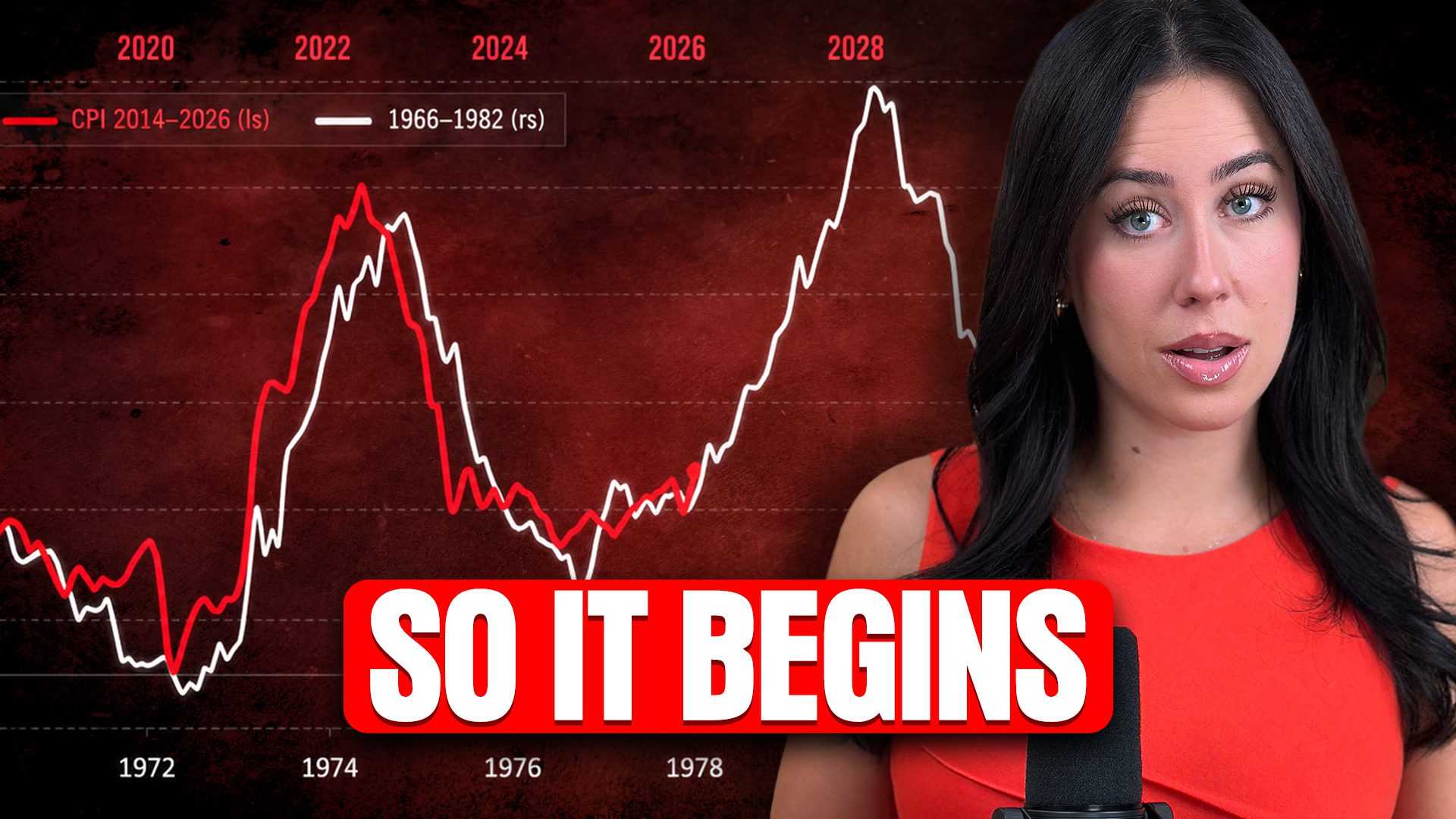
The currency reset many Americans expect to arrive as one dramatic event may already be unfolding through inflation, growing government debt, central-bank gold buying, and gradual diversification away from the U.S. dollar.
That matters because currency crises rarely begin on “reset day.” They develop slowly as purchasing power deteriorates and confidence weakens—then they can accelerate quickly.
History offers plenty of examples. Venezuela suffered devastating hyperinflation before repeatedly redenominating its currency. Mexico removed three zeros from the peso in 1993 after years of inflation and instability. The redenomination itself wasn’t what destroyed purchasing power. The damage had already been done.
Inflation Quietly Reduces Your Wealth
A dollar can remain a dollar in your bank account while buying less every year.
Over the past decade, U.S. consumer prices have risen substantially. That means someone holding $100,000 in cash may still see “$100,000” on a statement while the amount of food, housing, healthcare, insurance, and energy that money can purchase steadily declines.
Nominal stability is not purchasing-power stability.
That’s particularly important for retirees who believe cash is automatically “safe.” Inflation can quietly transfer wealth away from savers without changing the number displayed in their accounts.
Gold Is Sending a Different Signal
Gold traded near $1,300 an ounce roughly a decade ago. Today, it trades many times higher.
The question is not simply whether gold became more valuable. Investors should also ask whether the currency measuring gold became less valuable relative to scarce tangible assets.
Central banks appear to understand that distinction.
After several years of historically strong buying, central banks continued accumulating hundreds of tonnes of gold in 2025 and 2026. Surveys of reserve managers also show strong expectations that official gold holdings will continue increasing.
Why?
Gold:
- Has no issuing government
- Carries no counterparty risk when held physically
- Cannot be created electronically
- Has served as a store of value across monetary systems
The institutions managing the world’s currencies are increasingly holding an asset outside those currencies.
De-Dollarization Is Gradual—But Real
The U.S. dollar remains the world’s dominant reserve currency. Claims that it has already been abandoned are exaggerated.
But its dominance has declined.
Around the turn of the century, the dollar accounted for roughly 70% of reported global foreign-exchange reserves. Today, its share is closer to the upper-50% range.
That is not a dollar collapse. It is long-term diversification.
Countries can reduce dependence on the dollar through gold purchases, alternative trade arrangements, and greater use of other currencies without abandoning the dollar overnight.
That’s why the next phase of the currency reset may resemble a snowball: slow at first, then increasingly difficult to stop.
What Could Trigger Gold’s Next Major Move?
No one can responsibly guarantee how high gold will go.
The more important question is what could cause investors and governments to demand substantially more gold relative to dollars.
Potential catalysts include:
- Persistent inflation
- Expanding government debt
- Sovereign or banking stress
- Faster de-dollarization
- Geopolitical fragmentation
- Falling confidence in government debt
- Growing demand for assets without counterparty risk
The trigger may not be one spectacular event. It may be the point when a gradual loss of confidence becomes self-reinforcing.
Physical Gold and Silver as Wealth Preservation
Physical gold and silver offer something fundamentally different from fiat currency: tangible ownership outside the banking system.
Gold’s role as an inflation hedge doesn’t mean its price rises every time inflation increases. But over long monetary cycles, gold has historically remained relevant precisely because its supply cannot be expanded like paper currency.
Silver provides similar tangible characteristics while also benefiting from substantial industrial demand.
For investors focused on wealth preservation, the gold vs dollar question is ultimately about what kind of asset they want to own when confidence in financial promises weakens.
Don’t Wait for an Official Reset
There may never be an announcement telling Americans the monetary reset has begun.
Purchasing power changes first. Institutions reposition. Markets react. Eventually, the public notices.
The question isn’t simply how high gold can go. It’s what the dollars measuring that gold will still buy when it gets there.
About ITM Trading
ITM Trading has over 28 years of experience helping clients safeguard their wealth through personalized strategies built on physical gold and silver. Our team of experts delivers research-backed guidance tailored to today’s economic threats.
THINKING ABOUT PURCHASING GOLD & SILVER?
Get expert guidance from our team of analysts with 28+ years of experience.
👉 [SCHEDULE YOUR CALL HERE] or call 866-351-4219