The Dollar’s Biggest Threat Is Already Here

BRICS de-dollarization is quietly reshaping global trade. Discover how declining dollar demand could threaten U.S. purchasing power and retirement savings.
The Dollar’s Biggest Threat Is Already Here
What if the biggest threat to the U.S. dollar isn’t a sudden collapse, but a quiet financial shift already happening?
For years, BRICS de-dollarization dominated headlines. Countries discussed replacing the dollar, developing new currencies, and challenging America’s financial dominance. Then the headlines disappeared.
Many assumed BRICS had failed. But what if the real transformation is happening behind the scenes?
While Americans focus on inflation and retirement security, countries are expanding alternative payment systems, trading in local currencies, and accumulating physical gold.
And the consequences could reach directly into your savings.
BRICS De-Dollarization: The Turning Point in 2022
In February 2022, the United States and its allies froze access to approximately $300 billion in Russian central bank assets following Russia’s invasion of Ukraine.
That decision sent a powerful message.
Foreign reserves held within the international financial system aren’t necessarily beyond geopolitical restrictions.
For countries holding substantial dollar reserves, the sanctions demonstrated a potential vulnerability.
Suddenly, diversifying away from dollar-dependent infrastructure became more attractive.
Countries began exploring alternatives, including:
- Settling international trade in local currencies.
- Developing independent payment networks.
- Diversifying reserves into physical gold.
The dollar remained dominant, but the incentives to reduce dependence became stronger.
The New BRICS Currency Isn’t the Real Threat
At the 2024 BRICS Summit, speculation intensified about a shared currency that could challenge the dollar.
But no widely adopted BRICS currency emerged.
Instead, countries continued building alternative financial infrastructure.
China’s Cross-Border Interbank Payment System (CIPS) supports international yuan transactions. Meanwhile, initiatives such as Project mBridge have explored cross-border digital currency settlement.
Russia and China have also expanded trade conducted in their national currencies.
BRICS doesn’t need a replacement currency if member countries can increasingly conduct business without dollars.
Every additional alternative creates another pathway outside traditional dollar-based settlement.
America’s Debt Makes the Dollar More Vulnerable
The United States faces another significant challenge: growing national debt.
By October 2026, gross federal debt had exceeded $40 trillion.
For decades, international demand for dollars and U.S. Treasury securities has helped finance American borrowing.
But what happens if foreign investors become less willing to purchase additional Treasury debt?
Potential consequences include:
- Higher government borrowing costs.
- Increased federal interest expenses.
- Greater pressure on household borrowing rates.
- Additional risks to dollar purchasing power.
De-dollarization doesn’t automatically cause inflation or a debt crisis. However, weakening demand for dollar assets could complicate America’s financial challenges.
And retirees living on fixed incomes may be particularly exposed to rising costs.
Why Central Banks Are Turning Toward Gold
While BRICS nations develop alternatives to dollar-based settlement, central banks worldwide continue buying gold.
According to the World Gold Council, central banks purchased approximately 863 metric tons in 2025.
Why gold?
Unlike government currencies, physical gold isn’t issued by a central bank and carries no issuer’s repayment obligation.
Gold provides diversification and has historically served as a store of value.
For countries concerned about sanctions, currency instability, or financial dependence, those characteristics matter.
Central banks aren’t abandoning money. They’re diversifying what they trust to preserve value.
What This Means for Gold and Silver Wealth Preservation
For Americans approaching retirement, the central question isn’t whether the dollar disappears tomorrow.
It’s how much purchasing power their dollars will retain.
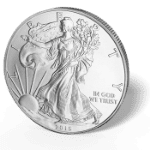
Physical gold and silver offer tangible assets outside conventional bank deposits and securities.
Gold has historically provided long-term wealth preservation benefits, while silver combines monetary history with industrial demand.
Neither guarantees protection against inflation, and prices can fluctuate substantially. Still, both can support a diversified strategy designed around financial uncertainty.
The Dollar’s Biggest Threat Is Already Here
BRICS doesn’t have to overthrow the dollar overnight.
It only needs to continue expanding alternatives that reduce global dependence on American currency.
With mounting debt, evolving payment systems, and central banks accumulating gold, understanding these changes is increasingly important.
The question isn’t whether you’ll still have dollars. It’s what those dollars will buy.
Preparing means evaluating your exposure to inflation, currency risk, and opportunities for long-term diversification.
About ITM Trading
ITM Trading has over 28 years of experience helping clients safeguard their wealth through personalized strategies built on physical gold and silver. Our team of experts delivers research-backed guidance tailored to today’s economic threats.
THINKING ABOUT PURCHASING GOLD & SILVER?
Get expert guidance from our team of analysts with 28+ years of experience.
👉 [SCHEDULE YOUR CALL HERE] or call 866-351-4219