The Dollar is Failing and Your Money is Next

The dollar is failing under debt, inflation, and monetary pressure. See why physical gold and silver matter for protecting purchasing power.
The Dollar Is Failing—And Most Americans Don’t See the Risk
What if the biggest threat to your retirement isn’t a market crash, but the money your entire portfolio is measured in?
The dollar is failing as a long-term store of value, even while it continues functioning as everyday currency.
That distinction matters.
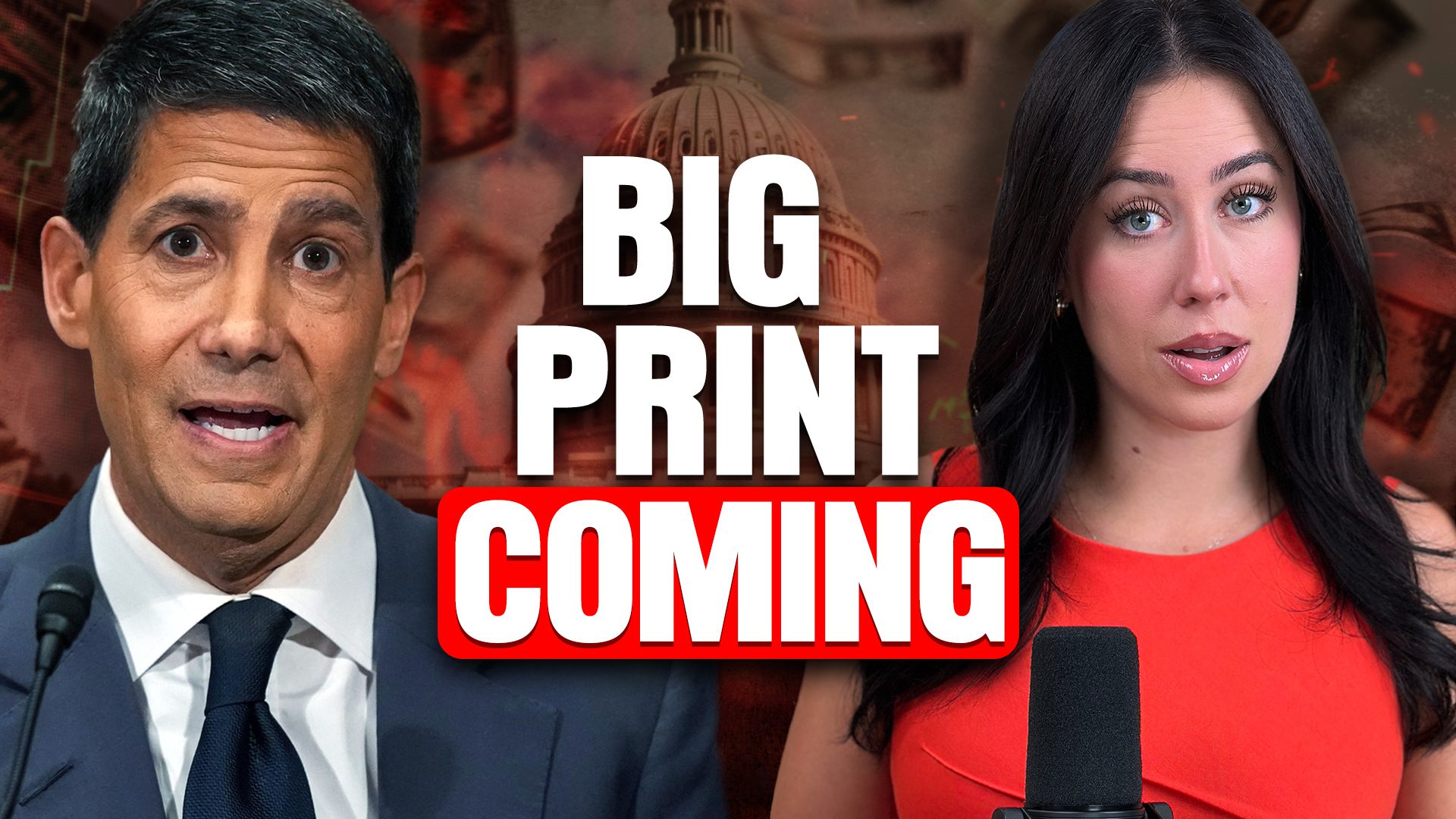
In Taylor Kenney’s conversation with ITM Trading senior analyst Fernando Grijalva, the discussion focused on a basic question most people rarely ask: What actually makes something money?
Money traditionally serves three purposes:
- A medium of exchange
- A unit of account
- A store of value
The dollar handles the first two well. The third is where the problem begins.
Inflation steadily reduces what each dollar can buy. Your bank balance may remain the same—or even rise—while your actual purchasing power declines.
That is monetary erosion hiding in plain sight.
America’s Debt Problem Keeps Getting Bigger
The U.S. is now approaching $40 trillion in federal debt, while annual interest costs have climbed above the trillion-dollar level.
That creates a dangerous cycle.
The government borrows money, pays interest on that debt, runs additional deficits, and then borrows more.
For years, critics have warned that debt would eventually matter. The response has usually been the same:
“They’ve been saying that forever.”
But debt does not become harmless simply because the consequences take longer than expected.
The real risk is reaching the point where servicing existing obligations consumes more and more of the nation’s financial capacity.
Why 1971 Changed the Dollar Forever
Until 1971, the dollar still had a formal relationship with gold through the Bretton Woods monetary system.
Then President Richard Nixon suspended dollar convertibility into gold.
From that point forward, the dollar became a fiat currency backed not by a fixed quantity of gold, but by confidence in the U.S. government and financial system.
That system has survived for decades.
But confidence is not the same thing as permanence.
Today, central banks themselves are accumulating physical gold at historically elevated levels.
That should get investors’ attention.
Central Banks Are Buying What They Cannot Print
Why would institutions capable of creating currency buy gold?
Because gold is not someone else’s liability.
It has no issuer.
No maturity date.
No counterparty promising repayment.
And no central bank can create more of it with a keystroke.
Central banks have accumulated large amounts of gold in recent years, while gold’s value as a share of global official reserves has risen dramatically.
That does not automatically mean the dollar is about to disappear.
But it does suggest that the institutions managing the monetary system see value in diversifying beyond paper promises.
Are You Really Diversified?
Many Americans believe they are diversified because they own:
- Stocks
- Bonds
- IRAs
- 401(k)s
- Annuities
- Money-market funds
- Bank deposits
Those assets are different, but nearly all still operate inside the same dollar-based financial system.
The deeper question is:
What do you own that does not depend on another institution’s ability to pay, perform, or remain solvent?
That is where tangible assets matter.
Physical Gold, Silver, and Wealth Preservation
Physical gold has historically been used for wealth preservation because it exists outside the credit system.
In a gold vs dollar comparison, the key distinction is supply.
Dollars can be created.
Gold must be mined.
Gold can also function as an inflation hedge over long periods, although its price can still fluctuate significantly.
Silver plays a different role. It has monetary history, but it is also heavily influenced by industrial demand. That makes silver useful as a tangible asset, but not identical to gold.
The Real Risk Isn’t a Sudden Collapse
The dollar does not have to collapse overnight for savers to lose wealth.
The damage can happen gradually through:
- Inflation
- Higher taxes
- Rising healthcare costs
- Increasing insurance premiums
- More expensive food and housing
Your account statement can look healthy while your lifestyle becomes harder to afford.
That is why investors should stop asking when the dollar will fail and start asking a better question:
How much of your wealth depends entirely on the dollar retaining its purchasing power?
About ITM Trading
ITM Trading has over 28 years of experience helping clients safeguard their wealth through personalized strategies built on physical gold and silver. Our team of experts delivers research-backed guidance tailored to today’s economic threats.
THINKING ABOUT PURCHASING GOLD & SILVER?
Get expert guidance from our team of analysts with 28+ years of experience.
👉 [SCHEDULE YOUR CALL HERE] or call 866-351-4219