The Fed’s New Plan to Shrink $40T Without Paying It Back
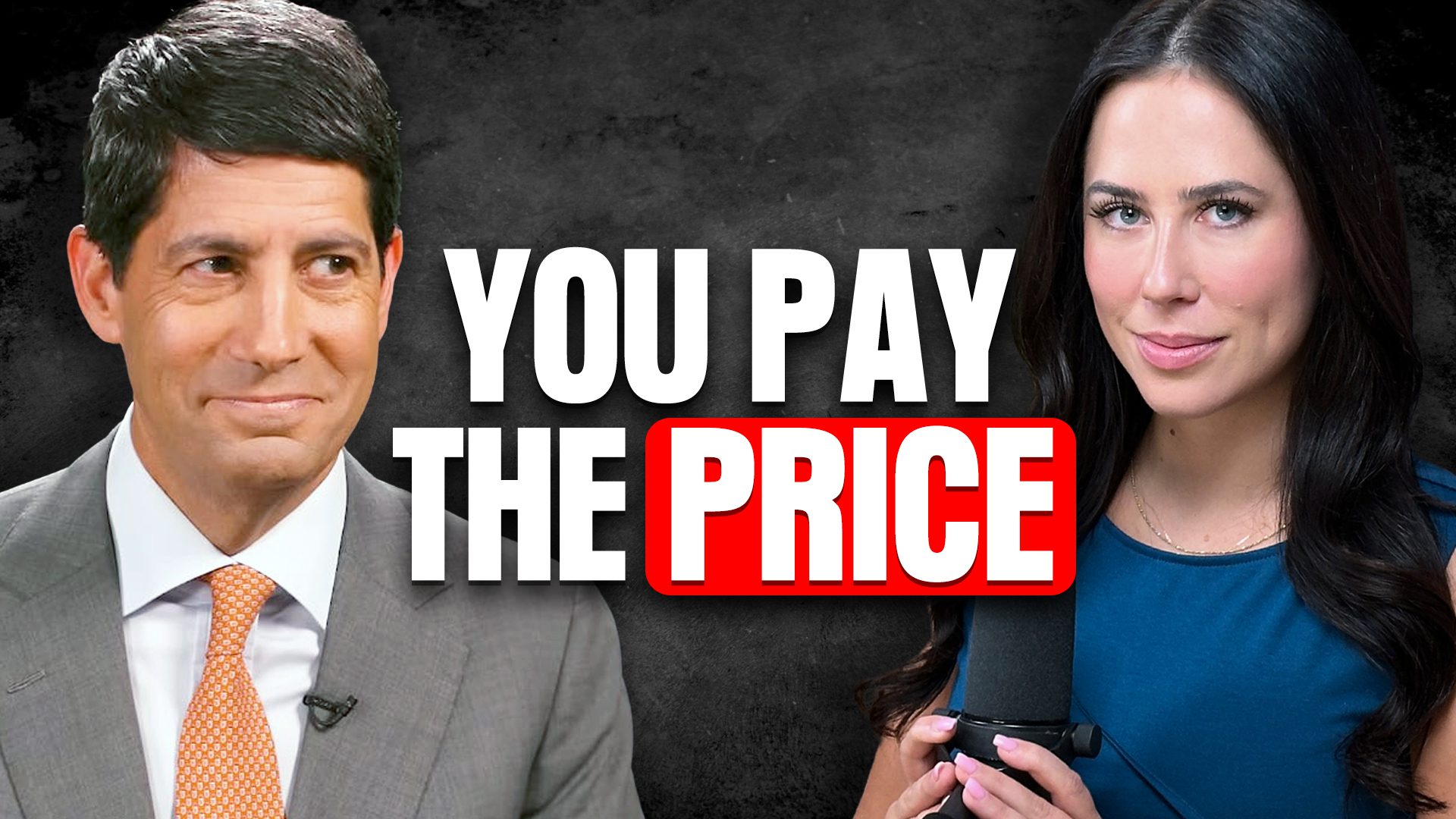
The Fed’s new monetary regime could shrink U.S. debt through inflation—while savers, retirees, and dollar holders pay the price.
What if the plan was never to pay back America’s $40 trillion debt—but to quietly inflate it away?
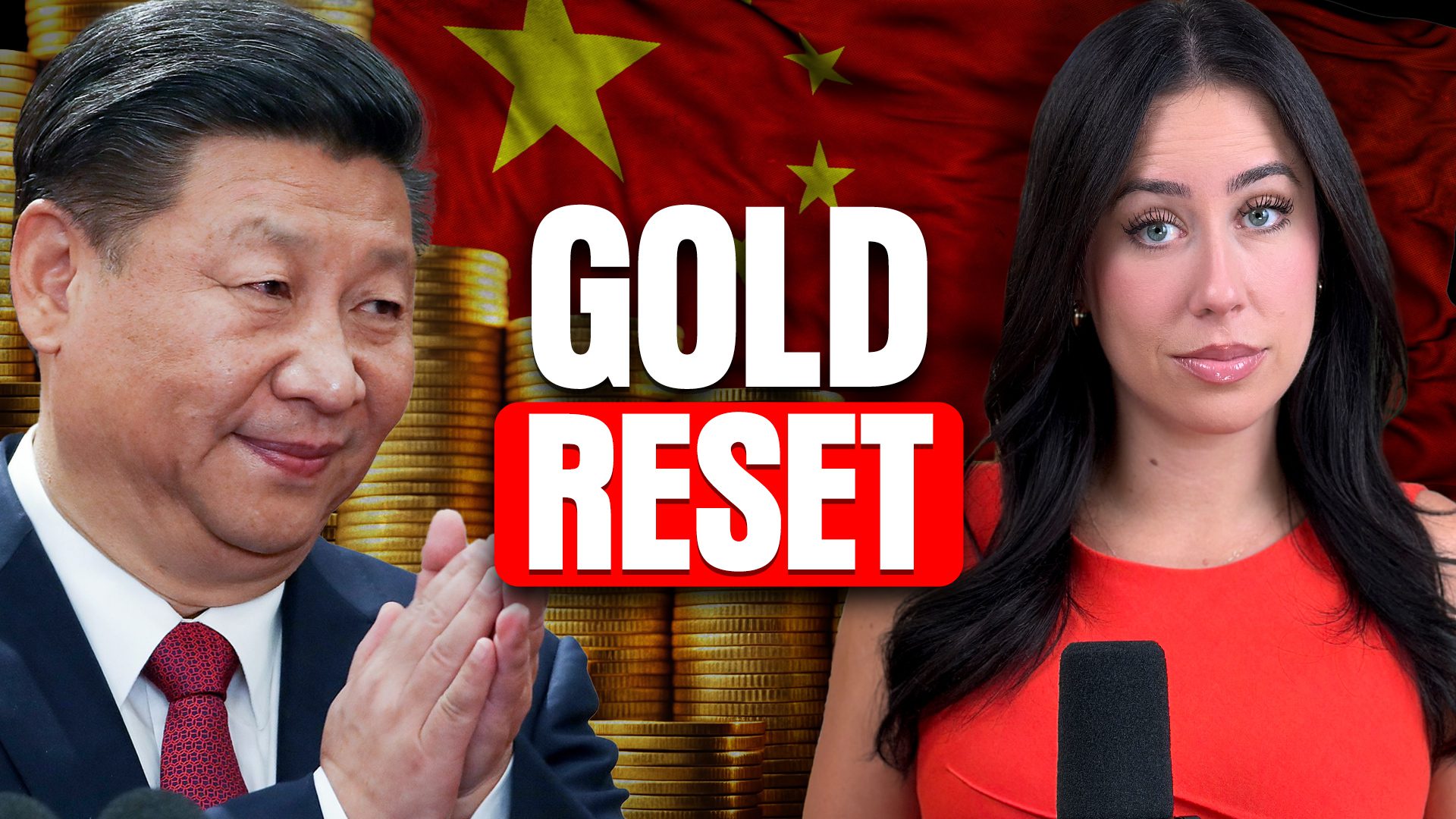
That is the uncomfortable question behind the Fed monetary regime now being discussed as America’s debt load approaches crisis territory. While Wall Street obsesses over whether the Federal Reserve will cut rates, hold rates, or “thread the needle,” the bigger story may be far more dangerous: a full reset in how the Fed thinks about inflation, debt, and the purchasing power of the dollar.
Taylor’s warning is simple: if the Fed chooses to protect the debt instead of the currency, savers and retirees may be the ones sacrificed. The transcript frames this as a potential “regime change” at the Federal Reserve, with Kevin Warsh’s monetary views, inflation measurement, bond market credibility, and America’s debt burden all converging into one high-stakes moment.
The Fed Monetary Regime Is Changing—And That Should Worry Savers
For years, Americans were told inflation was “transitory.”
Then they were told it was supply chains.
Then corporate greed.
Then energy.
Then housing.
But the old-school monetarist argument—championed by Milton Friedman and now echoed in Warsh’s public criticism of the Fed—is brutally simple:
Sustained inflation comes from too much money and credit chasing too little real economic growth.
That matters because since 2008, the Federal Reserve has not merely “managed crises.” It has reshaped the entire financial system around intervention.
After the 2008 financial crisis:
- Markets stopped being allowed to fully clear.
- The Fed expanded its balance sheet through quantitative easing.
- Investors learned to depend on central bank rescue.
- Debt became the foundation of the system, not an emergency tool.
- The dollar’s purchasing power became the pressure valve.
That was not a temporary fix. It became the operating system.
And now the country is staring at the consequences: a national debt nearing $40 trillion, annual interest costs above $1 trillion, and a Treasury market that depends on buyers believing the U.S. can repay its debt in real terms—not just inflated dollars.
Inflation and Debt: The Oldest Escape Hatch in the Book
Governments almost never repay massive debt honestly.
They restructure it.
They default.
Or they inflate it away.
Inflation is the politically convenient option because it does not look like default. There is no dramatic announcement. No televised confession. No official admission that savers were just robbed.
Instead, it happens quietly:
- Your grocery bill rises.
- Your insurance premiums rise.
- Your property taxes rise.
- Your retirement income buys less.
- Your savings account loses purchasing power.
- Your dollar-denominated assets look stable on paper while declining in real value.
As Friedman famously put it, inflation is taxation without legislation. Taylor’s transcript leans directly into that idea: when governments inflate debt away, the cost does not disappear. It gets transferred to savers, retirees, fixed-income households, and anyone holding too much wealth in dollars.
That is the real danger of the new Fed monetary regime.
It may not be about “beating inflation.”
It may be about redefining inflation just enough to justify lower rates—long enough to refinance the debt.
The CPI Shell Game: When Inflation Looks Lower Than It Feels
Most households experience inflation through real life:
- Food
- Fuel
- Insurance
- Utilities
- Rent
- Medical costs
- Home repairs
- Taxes
But policymakers experience inflation through models.
One of the key concerns in Taylor’s transcript is the use of alternative inflation measures, such as “trimmed mean” inflation. These tools remove extreme price movements from the data. In theory, that helps economists see underlying trends. In practice, it can also make inflation appear less painful than it feels to households.
For example, if oil spikes because of war or supply disruption, that price surge could be excluded from certain inflation readings.
But retirees do not get to exclude gasoline from their budgets.
Families do not get to exclude groceries.
Small businesses do not get to exclude insurance.
This is how the numbers can say one thing while your wallet screams another.
And if inflation appears lower on paper, the Fed may gain political cover to cut rates sooner—even if real-world costs remain elevated.
That would help debtors.
It would help Washington.
It would help Wall Street.
But it could punish savers.
The Bond Market May Not Buy the Story
Here is where the entire plan can break.
The Federal Reserve can massage inflation metrics. Politicians can claim the deficit is manageable. Treasury officials can insist demand is stable.
But bond investors ultimately decide whether they trust the dollar.
If investors believe the U.S. will repay them in dollars that are worth far less in the future, they may demand higher yields. And if yields rise, the government’s interest burden gets worse.
That creates the debt doom loop:
- Higher debt requires more borrowing.
- More borrowing pressures Treasury markets.
- Treasury yields rise.
- Higher yields increase federal interest costs.
- Higher interest costs require even more borrowing.
- The Fed faces pressure to intervene.
- Intervention risks more inflation and dollar weakness.
At that point, the Fed has a choice: protect the currency or protect the debt.
It may not be able to do both.
The AI Boom May Not Save the Dollar
The mainstream narrative says artificial intelligence could unleash a productivity boom and reduce inflation over time.
Maybe.
But Taylor raises a more immediate concern: the AI buildout is enormously capital-intensive. Data centers, chips, energy infrastructure, cloud capacity, and power systems require staggering investment. Much of that funding has to come from the capital markets.
That means more bond issuance.
More competition for capital.
More pressure on Treasury demand.
So while AI may eventually create productivity gains, the near-term funding surge could add stress to a Treasury market already dealing with:
- Massive federal deficits
- Rising interest costs
- Heavy refinancing needs
- Weakening confidence in long-term dollar purchasing power
In other words, the AI boom may not be the disinflationary miracle Washington wants.
It may be another accelerant.
Gold and Silver: Tangible Assets in a Monetary Regime Shift
This is where physical gold and silver enter the conversation.
When trust in paper promises breaks down, investors historically return to tangible assets. Not because gold pays interest. Not because silver depends on a government guarantee. But because they sit outside the debt-based financial system.
Gold and silver have been used for wealth preservation across monetary resets, inflationary periods, banking crises, and currency devaluations.
In a world where the Fed may be forced to choose between the debt and the dollar, physical precious metals offer something paper assets cannot:
- No counterparty risk when held directly
- No central bank liability attached
- No dependence on a Treasury repayment promise
- No need for a functioning digital payment rail
- No exposure to silent dollar devaluation in the same way cash is exposed
The gold vs dollar argument becomes especially important when policymakers are incentivized to reduce debt through inflation. If the dollar is the tool being diluted, then holding all your savings in dollar-denominated assets may become a hidden tax.
Gold and silver are not about speculation in this environment.
They are about wealth preservation.
They are about owning tangible assets when confidence in paper assets weakens.
They are about having an inflation hedge when the official inflation number no longer matches the cost of living.
If the Fed’s new plan is to shrink the real value of $40 trillion in debt, the question is not whether someone pays. The question is who.
The Debt Will Be Paid—One Way or Another
America’s debt problem will not vanish.
It will either be paid honestly through discipline, spending cuts, and real growth—or it will be reduced quietly through inflation, currency debasement, and financial repression.
History suggests governments prefer the second option.
That is why this Fed monetary regime matters. Not because of one rate cut. Not because of one Fed chairman. But because the incentives are now obvious: protect the system, protect the debt, and make the loss of purchasing power look like a technical adjustment.
For retirees, savers, and conservative investors, the danger is not just another market correction.
The danger is waking up with the same number of dollars—but far less real wealth.
Those who understand monetary resets before they happen are usually better positioned than those who wait for official confirmation.
About ITM Trading
ITM Trading has over 28 years of experience helping clients safeguard their wealth through personalized strategies built on physical gold and silver. Our team of experts delivers research-backed guidance tailored to today’s economic threats.
THINKING ABOUT PURCHASING GOLD & SILVER?
Get expert guidance from our team of analysts with 28+ years of experience.
👉 [SCHEDULE YOUR CALL HERE] or call 866-351-4219