The Dollar’s REPLACEMENT is Being Launched (It’s Closer Than You Think)
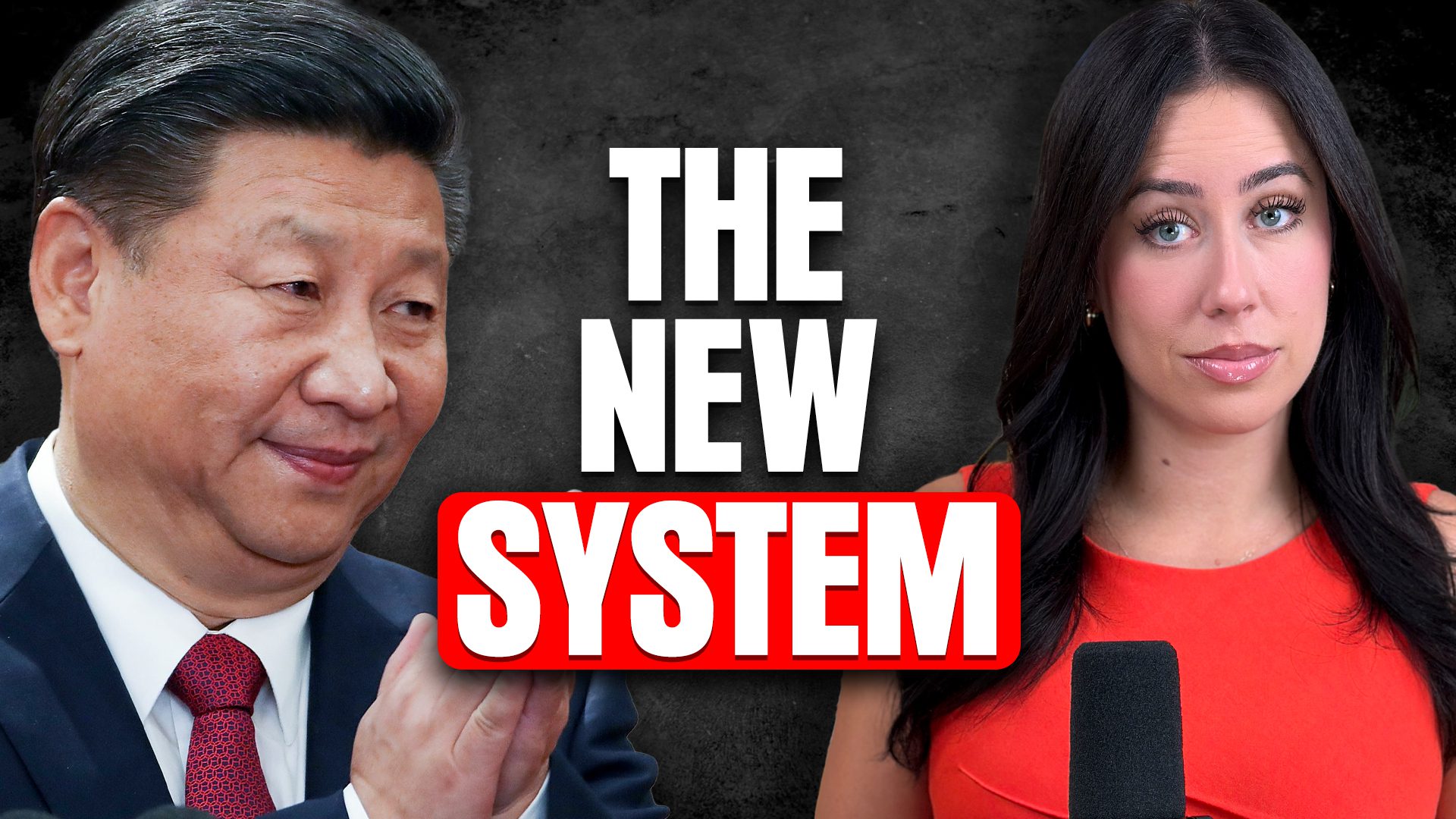
China and Saudi Arabia’s mBridge payment system could challenge dollar dominance and accelerate the shift toward a new global monetary order.
China and Saudi Arabia Are Building a Dollar Alternative—And It Could Change Everything
What happens when the very foundation of the global financial system starts to crack?
For more than 50 years, the U.S. dollar has occupied an unrivaled position at the center of global trade. But now, a new challenger is emerging. The mBridge payment system, backed by China and supported by Saudi Arabia, is moving closer to launch—and it may represent one of the most significant threats to dollar dominance in decades.
While mainstream financial media largely focuses on stock market movements and Federal Reserve policy, a quiet financial arms race is unfolding behind the scenes. Nations are building alternative payment systems, accumulating record amounts of gold, and reducing their dependence on the dollar.
The implications could affect everything from inflation and interest rates to the purchasing power of your retirement savings.
mBridge Payment System: The New Challenge to Dollar Dominance
Most Americans understand that the dollar serves as the world’s reserve currency. But few understand the infrastructure that makes that possible.
Today, global commerce relies heavily on dollar-based payment networks and settlement systems. This infrastructure gives the United States enormous influence over international trade and finance.
mBridge aims to change that.
The project is supported by central banks from:
- China
- Hong Kong
- Thailand
- United Arab Emirates
- Saudi Arabia
Rather than routing transactions through traditional dollar-dominated systems, mBridge is designed to allow participating countries to settle payments directly using central bank digital currencies (CBDCs).
In simple terms, mBridge creates an entirely new set of financial rails that could operate independently from the dollar system. And that’s exactly why investors should pay attention.
Why Countries Are Looking Beyond the Dollar
The push to reduce dependence on the dollar didn’t emerge overnight.
Several major trends have accelerated the search for alternatives:
- Weaponization of Reserve Assets
The freezing of Russian foreign reserves following the Ukraine conflict sent shockwaves through central banks worldwide.
Many governments reached the same conclusion:
If reserves can be frozen once, they can be frozen again.
As a result, nations have become increasingly interested in diversifying away from dollar-based assets.
- Inflation and Currency Devaluation
Governments around the world are wrestling with unprecedented debt burdens.
The United States alone has accumulated nearly $40 trillion in federal debt.
At the same time:
- Persistent deficits continue to expand.
- Treasury issuance continues to rise.
- Central bank intervention remains a recurring solution.
For many nations, tying their future exclusively to a fiat currency facing long-term purchasing power challenges is becoming less attractive.
- The Rise of Multipolar Finance
Emerging economies increasingly want a greater voice in global finance.
The result is a growing movement toward:
- Alternative settlement systems
- Local currency trade agreements
- Gold-backed trade mechanisms
- Regional financial alliances
The global monetary system is gradually becoming more fragmented.
Saudi Arabia’s Role Could Be the Real Game Changer
Perhaps the most significant development is Saudi Arabia’s involvement. To understand why, we need to revisit the petrodollar. Following the collapse of the Bretton Woods gold standard in the 1970s, the United States established agreements that encouraged global oil transactions to be conducted in dollars. This arrangement created consistent global demand for dollars because nations needed them to purchase energy.
That system helped support:
- Dollar demand
- Treasury demand
- America’s borrowing capacity
- The dollar’s reserve currency status
Today, however, cracks are beginning to appear.
Saudi Arabia has strengthened relationships with BRICS nations while simultaneously expanding economic cooperation with China.
More importantly, oil transactions are increasingly being discussed and settled in:
- Local currencies
- Chinese yuan
- Alternative payment mechanisms
- Physical gold settlements
This shift may seem gradual today, but history shows that reserve currency transitions often begin slowly before accelerating rapidly.
Gold Is Quietly Taking Center Stage
While headlines focus on currencies, central banks are sending a different message. They continue to buy gold at some of the fastest rates seen in decades. That should raise an important question:
Why are central banks aggressively accumulating gold if they have complete confidence in the current system?
Gold offers advantages no fiat currency can provide:
- No counterparty risk
- No political liability
- No default risk
- Universal acceptance
As trust in sovereign debt declines, gold’s role as a reserve asset becomes increasingly important. This trend is not theoretical. Central banks across Asia, the Middle East, and emerging markets have been steadily increasing their gold holdings while reducing exposure to traditional reserve assets.
The message is difficult to ignore.
CBDCs, mBridge, and the Future of Financial Control
One of the most controversial aspects of mBridge is its connection to central bank digital currencies.
CBDCs promise:
- Faster payments
- Improved settlement efficiency
- Reduced transaction costs
But critics warn they could also create unprecedented levels of financial oversight. Because transactions occur digitally through centralized systems, governments gain significantly greater visibility into economic activity. Supporters call it modernization. Critics call it a financial surveillance system. Regardless of where you stand, one fact remains: The future monetary system is becoming increasingly digital.
And mBridge appears designed to be part of that future.
The Dollar Isn’t Collapsing Tomorrow—But the Trend Matters
It is important to separate sensationalism from reality. The dollar is not disappearing overnight. Reserve currency transitions rarely happen suddenly.
Instead, they unfold through a series of developments:
- Declining reserve allocations
- Alternative trade agreements
- New payment systems
- Reduced Treasury demand
- Increased gold accumulation
Think about the shift from cable television to streaming services. Cable did not vanish overnight. A superior alternative emerged. Over time, adoption grew. Eventually, the balance shifted. That is precisely how monetary transitions unfold. mBridge does not need to replace the dollar tomorrow to have a meaningful impact.
It only needs to provide an alternative.
Why Gold and Silver Remain Essential for Wealth Preservation
As governments build new payment systems and central banks prepare for a changing financial landscape, investors face a critical question: How do you preserve purchasing power during monetary transitions?
Historically, physical gold and silver have served as trusted forms of wealth preservation during periods of:
- Currency devaluation
- Inflation
- Debt crises
- Banking instability
- Monetary resets
Unlike paper assets, tangible assets exist outside the financial system. That’s why central banks continue accumulating gold while simultaneously preparing for a new era of digital finance. The debate is no longer simply about gold vs dollar. It’s about maintaining purchasing power in a world where financial rules are changing faster than most people realize.
For investors seeking an inflation hedge, physical gold and silver continue to offer a level of independence that digital financial systems cannot replicate.
Conclusion
The launch of the mBridge payment system may not trigger an immediate collapse of dollar dominance, but it represents another unmistakable step toward a more fragmented global monetary system.
China, Saudi Arabia, and other participating nations are building alternatives. Central banks are buying gold. Digital currencies are advancing.
And the foundations of the financial system that has defined the last half-century are being challenged in ways that few Americans fully appreciate.
The question is no longer whether change is coming. The question is how prepared you’ll be when it arrives.
About ITM Trading
ITM Trading has over 28 years of experience helping clients safeguard their wealth through personalized strategies built on physical gold and silver. Our team of experts delivers research-backed guidance tailored to today’s economic threats.
THINKING ABOUT PURCHASING GOLD & SILVER?
Get expert guidance from our team of analysts with 28+ years of experience.
👉 [SCHEDULE YOUR CALL HERE] or call 866-351-4219