

Gold’s Next Move Has Nothing to Do With What They’re Telling You

Every major alarm bell that normally sends money rushing into gold is flashing red—war, oil shocks, inflation, and systemic stress—yet gold has been selling off. So what is going on with gold right now?
Every major alarm bell that normally sends money rushing into gold is flashing red—war, oil shocks, inflation, and systemic stress—yet gold has been selling off. So what is going on with gold right now?
The answer is bigger than interest rates. The recent decline in gold prices does not automatically mean the long-term case for physical gold and silver has broken. In fact, this pullback may reveal something much deeper: a growing disconnect between the paper gold market and the real demand for physical gold and silver.
That matters now because the global financial system is under pressure from all sides—rising sovereign debt, de-dollarization, liquidity stress, and a Federal Reserve trapped between inflation and recession. For investors focused on wealth preservation, this is exactly when surface-level explanations become dangerous.
What Is Going on With Gold? The Real Story Behind the Selloff
The mainstream explanation says gold is falling because interest rates remain elevated and yield-bearing assets look more attractive. That is part of the story—but only part.
It ignores a major structural shift that began in 2022, when the U.S. froze hundreds of billions in Russian foreign exchange reserves after the invasion of Ukraine. That event sent a message to every nation holding large dollar reserves:
- Dollar-based reserves can be weaponized
- Counterparty risk is real
- Financial sovereignty matters
- Gold becomes more attractive when trust in the system falls
This is why central banks accelerated their purchases of physical gold. They were not buying gold as a short-term trade. They were repositioning for a world where confidence in the dollar system is weaker.
That is a structural change—not a temporary headline reaction.
Interest Rates Matter, But They Do Not Explain Everything
Yes, higher rates can pressure gold in the short term.
The usual logic goes like this:
- Rising oil prices fuel inflation fears
- The Fed keeps rates higher for longer
- Investors shift toward assets offering yield
- Gold, which pays no yield, sells off
That explanation sounds tidy. It is also incomplete.
Why? Because central banks were buying gold aggressively while rates were rising. If higher rates were the whole story, gold demand from sovereign buyers should have weakened materially. Instead, the opposite happened.
That suggests the smartest large-scale buyers are focused on something else:
- Monetary instability
- Reserve diversification
- De-dollarization
- Long-term wealth protection outside the financial system
In other words, they are not asking whether gold yields 0%. They are asking whether their reserves remain safe inside a politicized debt-based system.
That distinction is everything.
Paper Gold vs Physical Gold Is the Critical Difference
One of the biggest mistakes investors make is assuming all gold exposure is the same. It is not.
There is a major difference between:
- Paper gold: futures, ETFs, leveraged positions, and contracts tied to spot price
- Physical gold: bullion held directly, with no counterparty risk
This distinction helps explain why gold can fall even when the long-term case for owning it gets stronger.
The spot price is heavily influenced by paper trading. Those markets can move violently because of:
- Algorithmic selling
- Leverage unwinds
- Thin liquidity periods
- Margin calls
- Forced liquidation events
That means the price you see on the screen may reflect paper market stress more than actual physical supply-and-demand fundamentals.
Physical gold and silver are not the same as paper promises. That is precisely why central banks and long-term wealth preservation buyers continue accumulating bullion.
Liquidity Stress Can Crush Prices Before Fundamentals Reassert Themselves
When markets face a liquidity crunch, investors often sell what they can—not just what they want to.
That is especially true during systemic stress. Rising oil prices, tighter credit, and market volatility can create a chain reaction:
- Asset prices fall
- Margin calls hit leveraged investors
- More positions get liquidated
- Prices fall further
- Forced selling accelerates
This helps explain why gold can sell off even in an environment that should, fundamentally, support it.
We saw similar patterns in prior crises:
- 1970s: several sharp gold pullbacks occurred during a broader secular bull market
- 2008: gold sold off during panic liquidation, then went on to surge
- 2020: gold dipped in the March liquidation phase before rebounding to new highs
The lesson is simple: violent selloffs do not automatically invalidate the gold thesis. Sometimes they are the byproduct of systemic stress itself.
De-Dollarization Is Strengthening the Long-Term Gold Thesis
The bigger issue is not this week’s chart. It is the weakening foundation beneath the global dollar system.
The U.S. faces mounting pressure from:
- Debt nearing unsustainable levels
- Rising interest expense
- Persistent inflation risk
- Weakening confidence in fiscal discipline
- Geopolitical fragmentation
This creates an impossible policy bind:
- Cut rates and risk reigniting inflation
- Keep rates high and worsen debt-service pressure
- Print more and weaken the dollar further
- Tighten more and break something in the system
That is why gold continues to matter. Gold is not tied to a central bank balance sheet. It does not depend on government promises. It cannot be printed into existence. And unlike dollar-denominated financial assets, it carries no issuer risk.
This is the essence of gold vs dollar: one is a tangible monetary asset with thousands of years of history; the other is a debt-backed currency under increasing structural strain.
Silver also deserves attention here. While gold is the primary monetary metal, physical silver often benefits when investors look for hard assets outside the traditional system and want a lower entry point into tangible wealth protection.
Why Physical Gold and Silver Still Matter for Wealth Preservation
For financially conservative Americans, this moment is not about chasing a trade. It is about preparing for a system that is becoming less stable, less trustworthy, and more fragile.
Physical gold and silver continue to stand out because they offer:
- Wealth preservation outside the banking system
- Tangible assets with no counterparty risk
- A potential inflation hedge when currencies weaken
- Portfolio diversification during systemic shocks
- Historical resilience during monetary resets and confidence crises
This is where the current pullback becomes important. If the underlying drivers remain in place—debt expansion, reserve diversification, inflation pressures, geopolitical instability—then lower prices may not be a warning sign. They may be an opportunity for disciplined positioning.
That does not mean gold moves in a straight line. It never has. But if your goal is protection rather than speculation, temporary price pressure in paper markets does not change why you own physical metal in the first place.
Gold and silver are not about getting rich tomorrow. They are about still standing when the system changes.
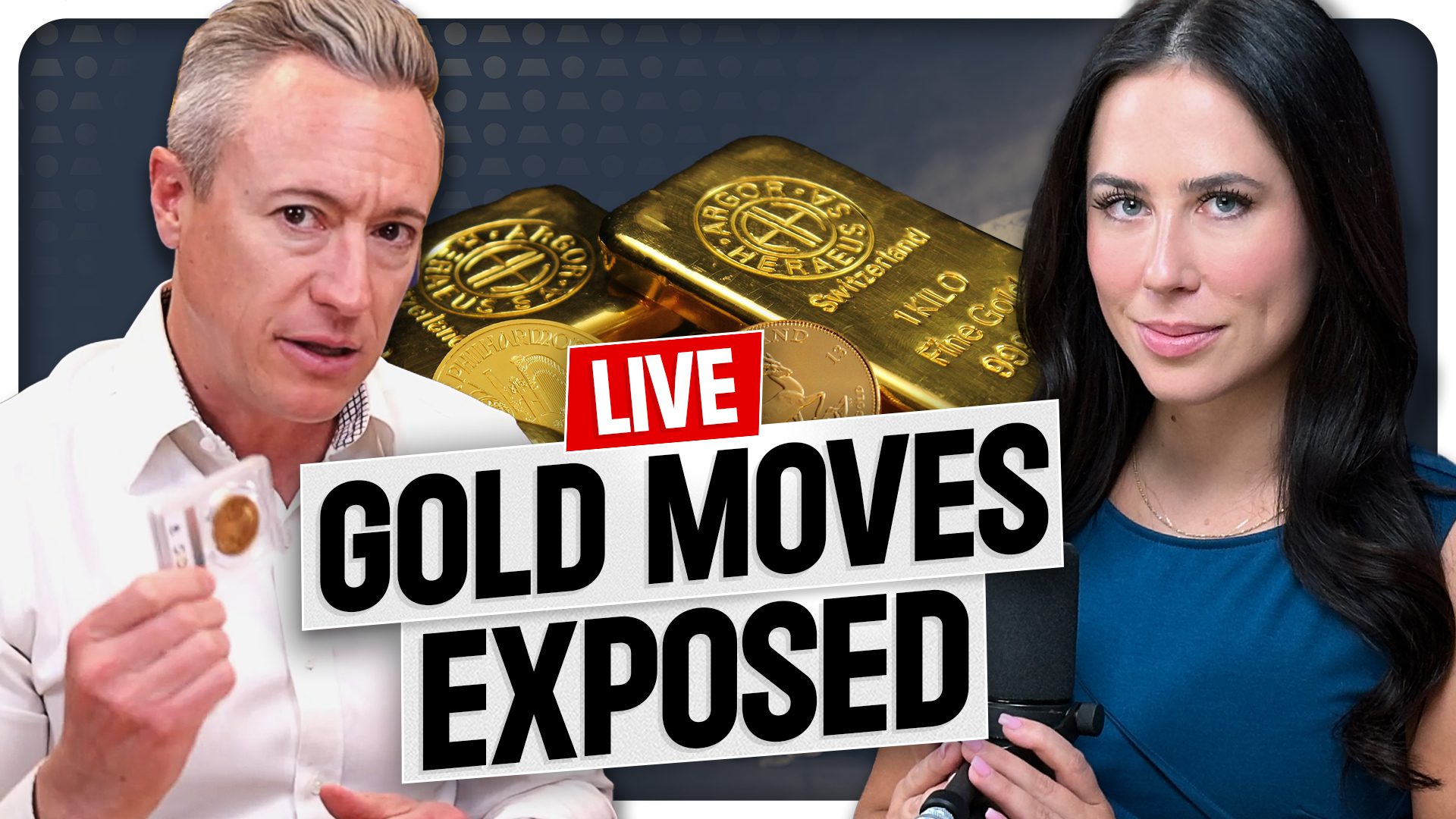
Image alt text suggestion: Physical gold and silver for wealth preservation during inflation
Gold, Silver, and the Opportunity Inside the Volatility
History shows that precious metals often experience their sharpest corrections right before confidence breaks somewhere else.
That is why moments like this deserve attention.
Ask yourself:
- Has inflation disappeared? No.
- Has sovereign debt improved? No.
- Has geopolitical risk faded? No.
- Has trust in fiat systems been restored? No.
- Have central banks stopped caring about gold? No.
So the core thesis remains intact.
For many investors, the better question is not “Why is gold down today?” but “What kind of system am I preparing for over the next several years?”
If the answer includes more inflation, more intervention, more monetary instability, and more pressure on savers, then physical gold and silver still belong in the conversation.
Gold’s recent selloff looks dramatic on the surface, but the deeper story is not bearish—it is structural. The disconnect between paper gold pricing and physical demand, the rise of de-dollarization, growing debt pressure, and global liquidity stress all suggest the system is becoming more unstable, not less.
That is why this moment matters.
The gold thesis was never about a smooth chart. It was about protecting purchasing power during a period of monetary disorder. And today, that thesis may be even stronger than it was before the selloff.
For investors concerned about retirement insecurity, inflation, and the long-term future of the dollar, this is the time to think seriously about wealth preservation, tangible assets, and the role of gold and silver in a defensive strategy.
About ITM Trading
ITM Trading has over 28 years of experience helping clients safeguard their wealth through personalized strategies built on physical gold and silver. Our team of experts delivers research-backed guidance tailored to today’s economic threats.
THINKING ABOUT PURCHASING GOLD & SILVER?
Get expert guidance from our team of analysts with 28+ years of experience.
👉 [SCHEDULE YOUR CALL HERE] or call 866-351-4219