$40 TRILLION Debt Faces an Oil Shock the Fed Can’t Fix
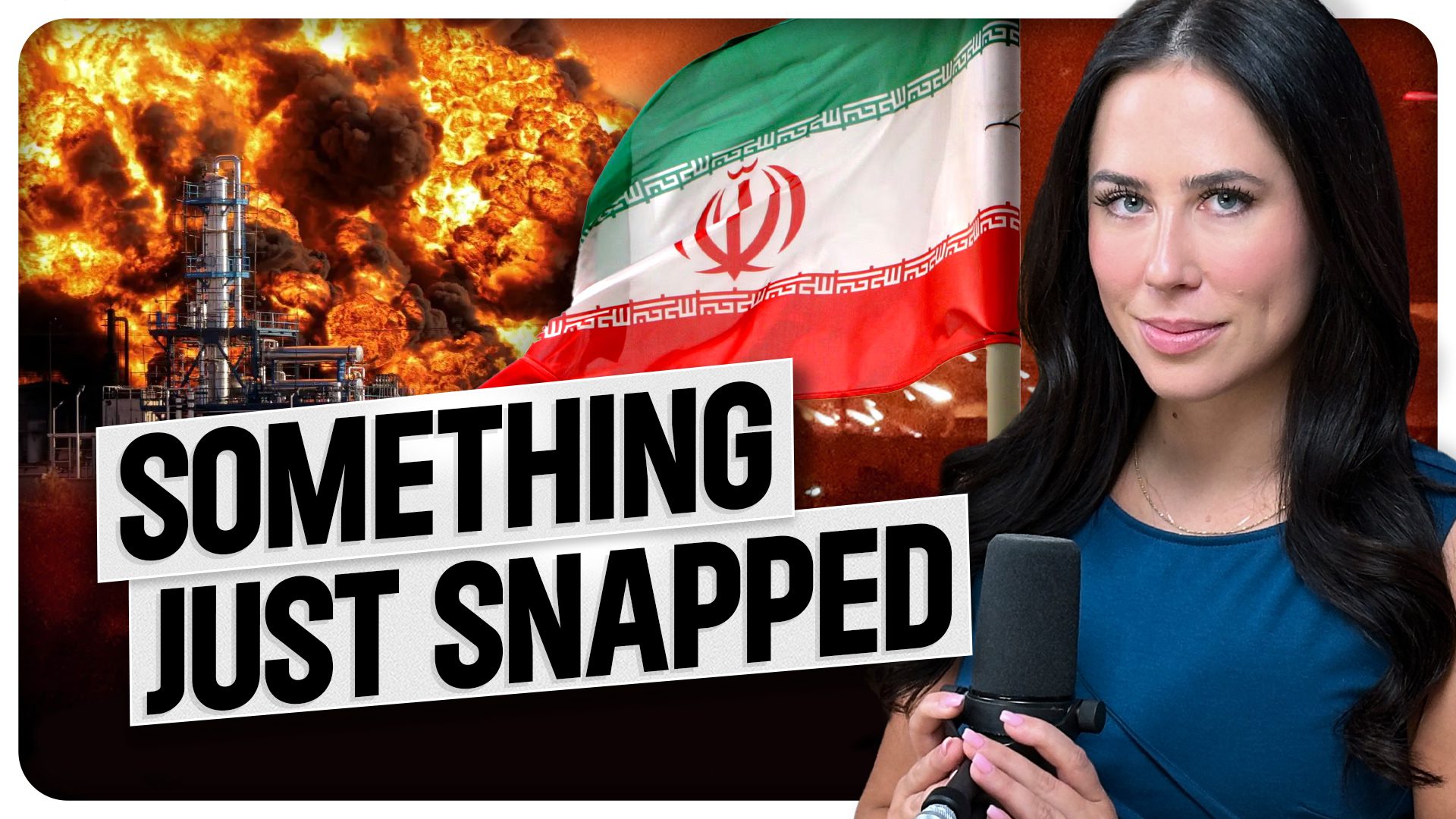
Middle East war, oil shocks, and stagflation fears are back. Learn why gold and silver matter when inflation erodes wealth.
The last time war in the Middle East collided with a fragile monetary system, Americans paid the price for a decade. That is why stagflation and gold are back in the conversation today. With oil volatility surging, inflation still elevated, and economic growth weakening, the warning signs look disturbingly familiar.
The real danger is not just higher gas prices. It is the return of the same toxic combination that crushed purchasing power in the 1970s: war, oil shocks, inflation, unemployment, and a weakening economy. Back then, millions of Americans watched their savings lose value in real time. Today, the setup may be even worse because the system is starting from a far weaker foundation.
Stagflation and Gold: Why the 1970s Still Matter
Stagflation is one of the most painful economic conditions because it hits from every direction at once:
- Prices rise
- Unemployment rises
- Economic growth slows
Normally, a weakening economy would cool inflation. In stagflation, that relationship breaks down. Everything goes wrong at the same time.
That is exactly what happened in the 1970s after the U.S. severed the dollar’s final link to gold. Once monetary restraint disappeared, inflation accelerated. Then the 1973 oil embargo poured gasoline on an already-smoldering fire.
The result was brutal:
- Oil prices surged
- Inflation moved into double digits
- Interest rates eventually reached 21%
- Americans faced shortages, rising costs, and shrinking purchasing power
Oil did not create the inflation problem. It exposed it. And that distinction matters now.
Image alt text suggestion: “1970s oil crisis gas lines in America”
Why Today’s Oil Shock Looks More Dangerous
Two weeks into a new Middle East war, oil supply fears are once again rattling markets. Prices have already shown extreme volatility, surging above $100 per barrel before reversing and climbing again. Americans are already feeling it at the pump.
But energy is only the first domino.
As oil moves through the economy, it raises costs across the board:
- Transportation
- Manufacturing
- Food production
- Consumer goods
- Business operations
That is how an oil shock becomes an inflation shock.
And unlike the 1970s, today’s economy is not entering this storm from a position of strength. Inflation is still above target, debt levels are far higher, and growth is already under strain. This is not a fresh problem. It is a stressed system getting hit again.
The Dollar Is Weaker Than Most Americans Realize
In the 1970s, the dollar was damaged by the end of the gold standard, but it still had support. The petrodollar system and the lack of serious alternatives kept global demand for U.S. debt alive.
Today, that support looks far less certain.
Central banks are increasingly repositioning into gold rather than assuming the dollar will remain the unquestioned global reserve currency forever. That matters because America’s entire financial structure has depended on global confidence in the dollar and in U.S. debt.
When that confidence weakens, the consequences are severe:
- Borrowing costs rise
- Debt servicing becomes harder
- Currency debasement becomes more likely
- Savers lose purchasing power faster
A weakening dollar does not just affect trade or bond markets. It directly affects your retirement, your savings, and your standard of living.
Rising Unemployment and Slowing Growth Are Fueling the Threat
Stagflation is never just an inflation story. It is also a labor and growth story.
The transcript highlights a labor market that is already starting to weaken, with job losses mounting and unemployment rising. At the same time, major sectors of the economy are showing visible cracks:
- Corporate bankruptcies are rising
- Commercial real estate remains under pressure
- Private credit is showing stress
- Businesses are warning about slowing demand
- Even tech is reducing expectations and accelerating layoffs
This is the part the mainstream narrative often ignores. A stock market headline does not equal a healthy economy.
When inflation stays high while growth fades, families get squeezed from both sides. Their expenses rise while their income security falls. That is how financial instability becomes personal.
Why the Fed May Not Be Able to Stop This
In the early 1980s, policymakers eventually crushed inflation by raising rates to punishing levels. It was painful, but it worked.
Today, that same playbook may no longer be realistic.
Why? Because the debt burden is on an entirely different scale.
Back in the 1970s, U.S. debt was a fraction of what it is now. Today, the federal government is approaching debt levels so massive that every additional rate hike dramatically increases interest costs. That creates a trap:
- Raise rates aggressively and debt servicing explodes
- Keep rates too low and inflation continues eating away purchasing power
This is why so many Americans feel that the Fed is cornered. The old cure may now be too dangerous to use.
And when policymakers cannot fully defend the currency, they often end up doing the opposite: inflating away the real burden of debt.
That may reduce the government’s pain over time, but it increases yours.
What Happened to Stocks, Savings, and Retirement in the 1970s
One of the biggest lessons from the 1970s is that nominal performance can be misleading.
Many investors think in dollar terms. But what matters is purchasing power.
During the stagflation decade:
- The stock market effectively went nowhere in real terms
- Dollar-based savings lost major value
- Bonds suffered
- Retirement wealth was eroded by inflation
If your assets stay flat while the dollar loses purchasing power, you are not preserving wealth. You are losing it more slowly than you realize.
That is the hidden threat in inflationary periods. Your statement may look stable while your real wealth quietly disappears.
Gold vs Dollar: The Asset That Protected Wealth
When Nixon delinked the dollar from gold in 1971, something changed permanently. Americans no longer had a currency anchored by a hard monetary restraint.
What followed was one of the clearest real-world examples of gold vs dollar in modern history.
Over the following decade:
- The purchasing power of the dollar fell sharply
- Traditional dollar-denominated assets struggled in real terms
- Gold surged from $35 an ounce to roughly $850 an ounce
That is why gold matters in a stagflationary environment. It is not just a commodity. It is a monetary asset that has historically preserved value when confidence in paper currency erodes.
And silver often enters the conversation alongside gold because it combines monetary history with industrial demand. In times of systemic stress, physical gold and silver can serve as a form of financial insurance when paper assets and fiat currency are under pressure.
The lesson is simple: when the dollar weakens, tangible assets matter more.
Wealth Preservation in a Resetting Monetary System
The bigger issue is not merely whether inflation rises another point or whether oil prices spike again. The bigger issue is where we are in the currency lifecycle.
When governments are overwhelmed by debt, central banks are constrained, and confidence in fiat systems starts to erode, wealth preservation becomes less about chasing returns and more about defending purchasing power.
That is where physical gold and silver come in.
Why many investors turn to tangible assets during periods of crisis:
- They are not someone else’s liability
- They cannot be printed into existence
- They have a long history as stores of value
- They can serve as an inflation hedge
- They offer diversification outside the dollar-based system
This is the core difference between speculation and preparation.
Gold and silver are not about hype. They are about protecting what you have already built.
Gold and Silver Tie-In: Why Tangible Assets Matter Now
If today’s economy is replaying the early stages of a 1970s-style stagflation cycle, then the question is not whether risk exists. The question is whether your strategy accounts for it.
Physical gold and silver have long served as tools for:
- Wealth preservation
- Reducing exposure to dollar devaluation
- Diversifying outside traditional paper assets
- Hedging against inflation
- Preparing for monetary instability
In a world of rising debt, weakening confidence, and persistent inflation pressure, the case for tangible assets becomes harder to ignore.
This is especially true for retirees and conservative savers who cannot afford a lost decade. If the dollar continues to lose purchasing power, then gold vs dollar is no longer a theoretical debate. It becomes a real-life wealth protection decision.
Conclusion
The warning signs are all there: war in the Middle East, oil market instability, elevated inflation, rising unemployment, slowing growth, and a Federal Reserve that may no longer have the freedom to fight inflation the way it once did.
That is why so many people are once again talking about stagflation.
The 1970s showed exactly what can happen when a monetary system under strain collides with an oil shock. The damage was not temporary. Americans lost purchasing power that never came back.
This time, the debt is larger, the dollar is more fragile, and the margin for policy error is even thinner. Hoping the system fixes itself is not a strategy. Understanding where we are and positioning accordingly is.
About ITM Trading
ITM Trading has over 28 years of experience helping clients safeguard their wealth through personalized strategies built on physical gold and silver. Our team of experts delivers research-backed guidance tailored to today’s economic threats.
THINKING ABOUT PURCHASING GOLD & SILVER?
Get expert guidance from our team of analysts with 28+ years of experience.
👉 [SCHEDULE YOUR CALL HERE] or call 866-351-4219