

The Second Wave of Inflation Is Coming (Most Aren’t Ready)
The second wave of inflation could threaten retirement savings. Discover the IMF’s warning, 1970s parallels, and why central banks are buying gold.
The Second Wave of Inflation Is Coming (Most Aren’t Ready)
What if the inflation crisis Americans have already endured was only the beginning?
A second wave of inflation could be approaching, and the warning is coming from the International Monetary Fund (IMF). The IMF cautions that sharp increases in food and energy prices could become more frequent, keeping inflation elevated and threatening economic stability.
For Americans already struggling with rising living costs, the implications are serious. But for retirees and those approaching retirement, the consequences could be even greater.
The IMF Warns Inflation Could Get Worse
The IMF warns that repeated food and energy price shocks can have lasting economic consequences, disproportionately affecting lower-income households.
And here’s the problem: Even when inflation slows, prices don’t necessarily fall. They simply increase at a slower rate.
Groceries, housing, utilities, and healthcare remain expensive, while savings lose purchasing power.
For Americans relying on fixed incomes, this creates a dangerous situation. Their monthly income may remain unchanged, but everything around them costs more.
Inflation Is Accelerating America’s Wealth Divide
Federal Reserve data reveal a troubling divide between America’s wealthiest households and everyone else.
The top 1% control roughly 30% of household wealth, while the bottom 50% collectively hold only a small fraction.
Why does this matter?
Because inflation affects asset owners differently from people holding primarily cash and fixed-income investments.
Wealthier households often own real estate, businesses, and investments that may appreciate during inflationary periods. Meanwhile, Americans holding substantial cash savings watch their purchasing power deteriorate.
Inflation doesn’t destroy wealth equally. It can redistribute purchasing power between different groups.
And the longer elevated inflation persists, the more damaging that divide can become.
Headline vs. Core Inflation: What’s Really Happening?
Government officials frequently highlight core inflation as evidence that price pressures are easing.
But core inflation excludes two essential expenses:
- Food
- Energy
Economists exclude these categories because their prices fluctuate significantly. Yet Americans cannot simply remove groceries or electricity from their budgets.
While officials emphasize improving inflation statistics, households continue confronting higher everyday expenses.
Consider this: At 3.5% annual inflation, $100,000 loses approximately 29% of its purchasing power over ten years.
Your bank balance might remain unchanged while your financial security quietly deteriorates.
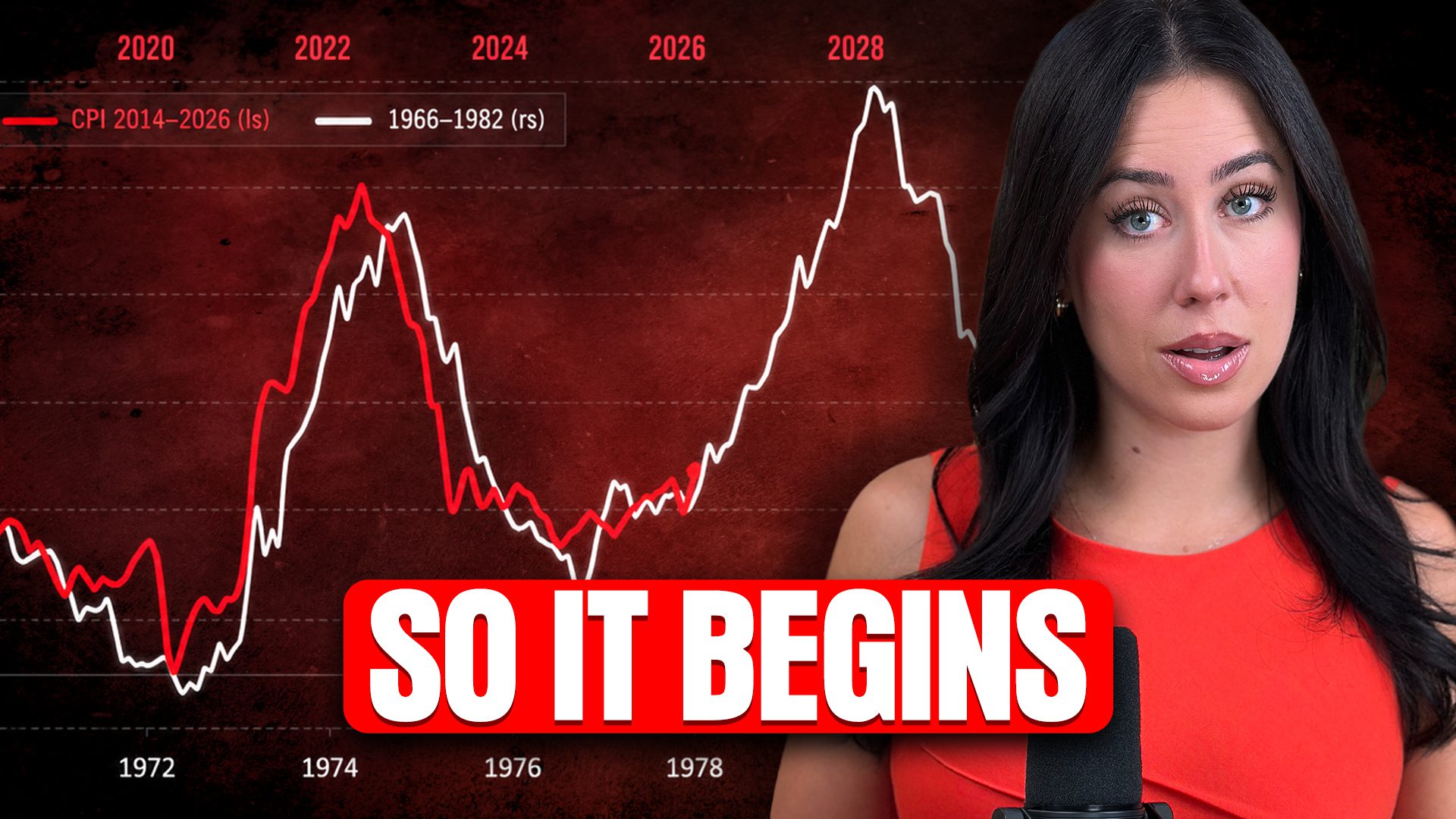
Is the Second Wave of Inflation Repeating the 1970s?
History offers a concerning comparison.
During the 1970s, inflation arrived in multiple waves. Prices accelerated, temporarily stabilized, and then surged again.
By 1980, annual U.S. inflation exceeded 13%.
Today, inflation has moderated from its 2022 peak, but persistent government deficits, geopolitical tensions, and energy disruptions create renewed risks.
The similarities don’t guarantee another 1970s-style crisis. However, they demonstrate why temporary inflation relief shouldn’t be mistaken for permanent stability.
The first wave subsiding doesn’t mean another wave cannot follow.
America’s Debt Crisis Adds Another Inflation Threat
The United States now carries more than $40 trillion in federal debt.
As Treasury yields increase, borrowing and refinancing costs become increasingly expensive.
That creates a difficult cycle:
- Higher interest rates increase federal borrowing costs.
- Growing interest expenses pressure government budgets.
- Persistent deficits require additional borrowing.
- Economic uncertainty complicates inflation management.
The Federal Reserve must balance controlling inflation against maintaining economic stability.
And those competing pressures could make future monetary policy decisions increasingly difficult.
Why Central Banks Continue Buying Gold
While governments grapple with debt and inflation, central banks continue accumulating gold.
According to the World Gold Council, central banks purchased approximately 863 metric tons of gold in 2025.
Why?
Because physical gold offers diversification, carries no issuer credit risk when owned outright, and has historically served as a monetary reserve asset.
During the 1970s inflation crisis, gold rose dramatically as the dollar’s purchasing power declined.
Gold doesn’t guarantee protection against every inflationary period. Neither does silver. Both experience price volatility.
However, physical gold and silver remain tangible assets worth considering within a diversified wealth preservation strategy, particularly when confidence in paper currencies weakens.
Prepare Before Inflation Accelerates Again
The IMF’s warning underscores an uncomfortable reality: inflation risks haven’t disappeared.
For retirees, another prolonged period of rising prices could severely undermine financial security.
Physical gold and silver may provide diversification and a potential long-term inflation hedge, although they involve market risks and ownership costs.
The question isn’t whether another inflation wave is guaranteed. It’s whether your retirement strategy could withstand one.
About ITM Trading
ITM Trading has over 28 years of experience helping clients safeguard their wealth through personalized strategies built on physical gold and silver. Our team of experts delivers research-backed guidance tailored to today’s economic threats.
THINKING ABOUT PURCHASING GOLD & SILVER?
Get expert guidance from our team of analysts with 28+ years of experience.
👉 [SCHEDULE YOUR CALL HERE] or call 866-351-4219