The IMF Just Admitted that Dollar Dominance Is Ending
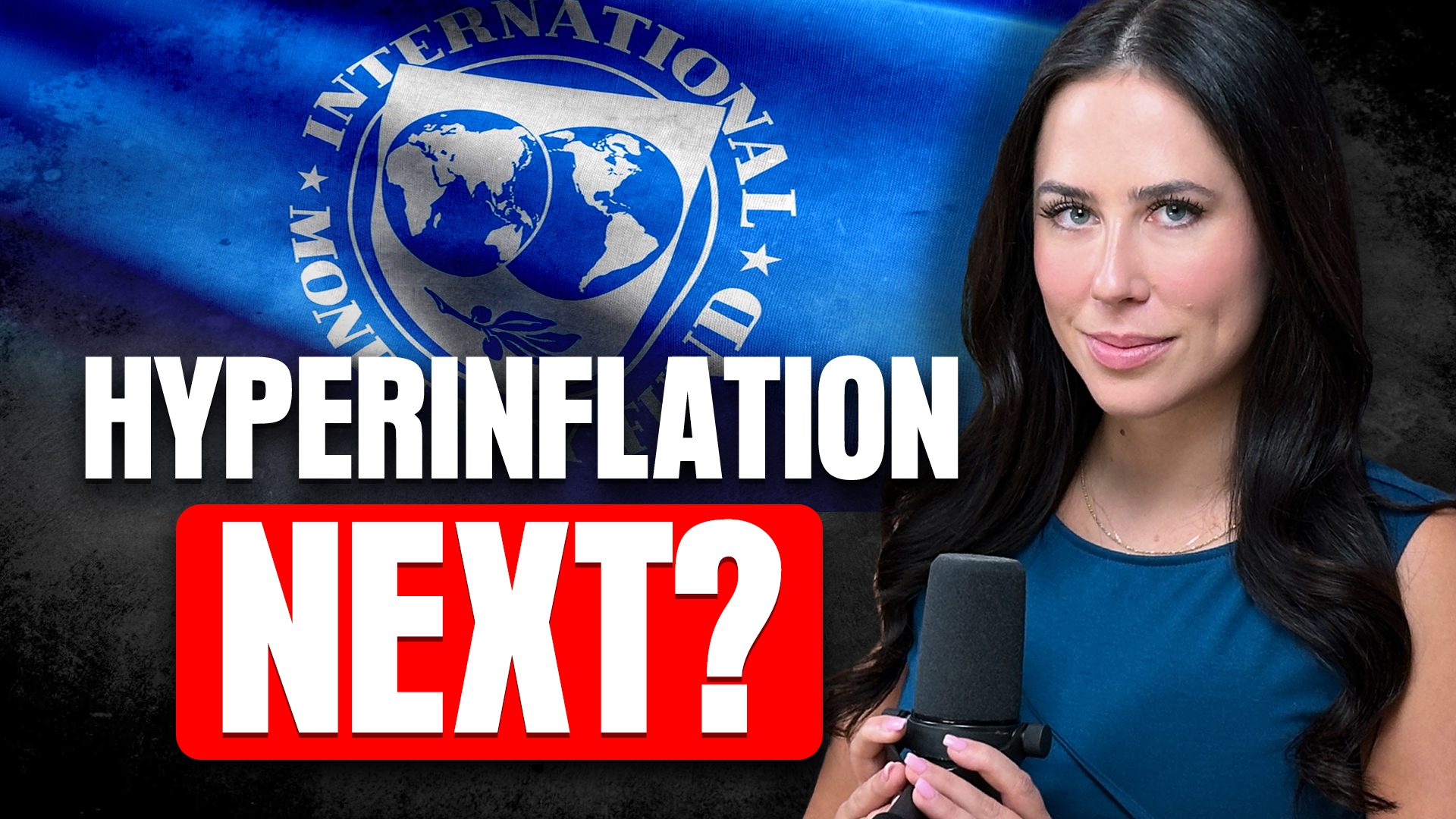
IMF warns U.S. debt is eroding Treasury safety as dollar dominance weakens. Learn why gold and silver matter now.
What if the trigger for America’s next inflation shock is not a war, a bank collapse, or a stock market crash—but a failed auction for U.S. debt?
The IMF just warned that dollar dominance is ending in the most bureaucratic way possible: by admitting that U.S. Treasury bonds are losing their historic “safety premium.” In plain English, the world is beginning to question whether lending money to Washington is still the risk-free bet it was sold to be.
For decades, the U.S. dollar benefited from global demand, oil trade, military power, and the perception that Treasuries were the safest asset on Earth. But soaring deficits, nearly $39 trillion in national debt, and weakening foreign appetite for U.S. debt are creating a dangerous feedback loop.
And when confidence cracks in a fiat currency system, history shows it can happen slowly—then all at once.
The Hyperinflation Trigger: What Happens When Buyers Step Away?
The likely trigger for hyperinflation in the U.S. is not simply “money printing.”
It is declining demand for U.S. debt.
Because once there are not enough willing buyers for Treasury issuance, the Federal Reserve becomes the buyer of last resort.
That is where the trap closes.
If investors demand higher yields to compensate for risk, the government’s borrowing costs rise. If borrowing costs rise, deficits worsen. If deficits worsen, Treasury must issue more debt. If more debt hits the market and buyers do not show up, the Fed may be forced to intervene.
That is the debt doom loop:
- More debt requires more buyers.
- Fewer buyers require higher yields.
- Higher yields increase interest costs.
- Higher interest costs expand deficits.
- Larger deficits require even more debt.
- Eventually, the Fed steps in.
And when the Fed creates new currency to absorb debt, every existing dollar is diluted.
That is how inflation turns from painful to uncontrollable.
The trigger is confidence. Once confidence breaks, the timeline compresses.
Gold and Silver Tie-In: Tangible Assets in a Debt-Based Currency Crisis
When confidence in paper promises begins to crack, investors historically return to tangible assets.
That is where physical gold and silver come in.
Gold and silver are not about speculation. They are about wealth preservation.
They are not a bet on chaos. They are protection against the predictable consequences of debt, deficits, inflation, and currency debasement.
Physical precious metals have served as monetary anchors across centuries because they share qualities fiat currencies lack:
- They cannot be printed.
- They have no counterparty risk.
- They are tangible assets.
- They are globally recognized.
- They preserve purchasing power over long periods.
- They sit outside the banking system.
Gold is often viewed as long-term monetary insurance. Silver, while more volatile, carries both monetary and industrial demand characteristics.
In a world where the dollar’s dominance is being questioned, gold vs dollar is not just an investment debate. It is a question of trust.
Do you trust political promises? Or do you trust tangible assets with thousands of years of monetary history?