The Fed Just Found a Way to Make Inflation Disappear
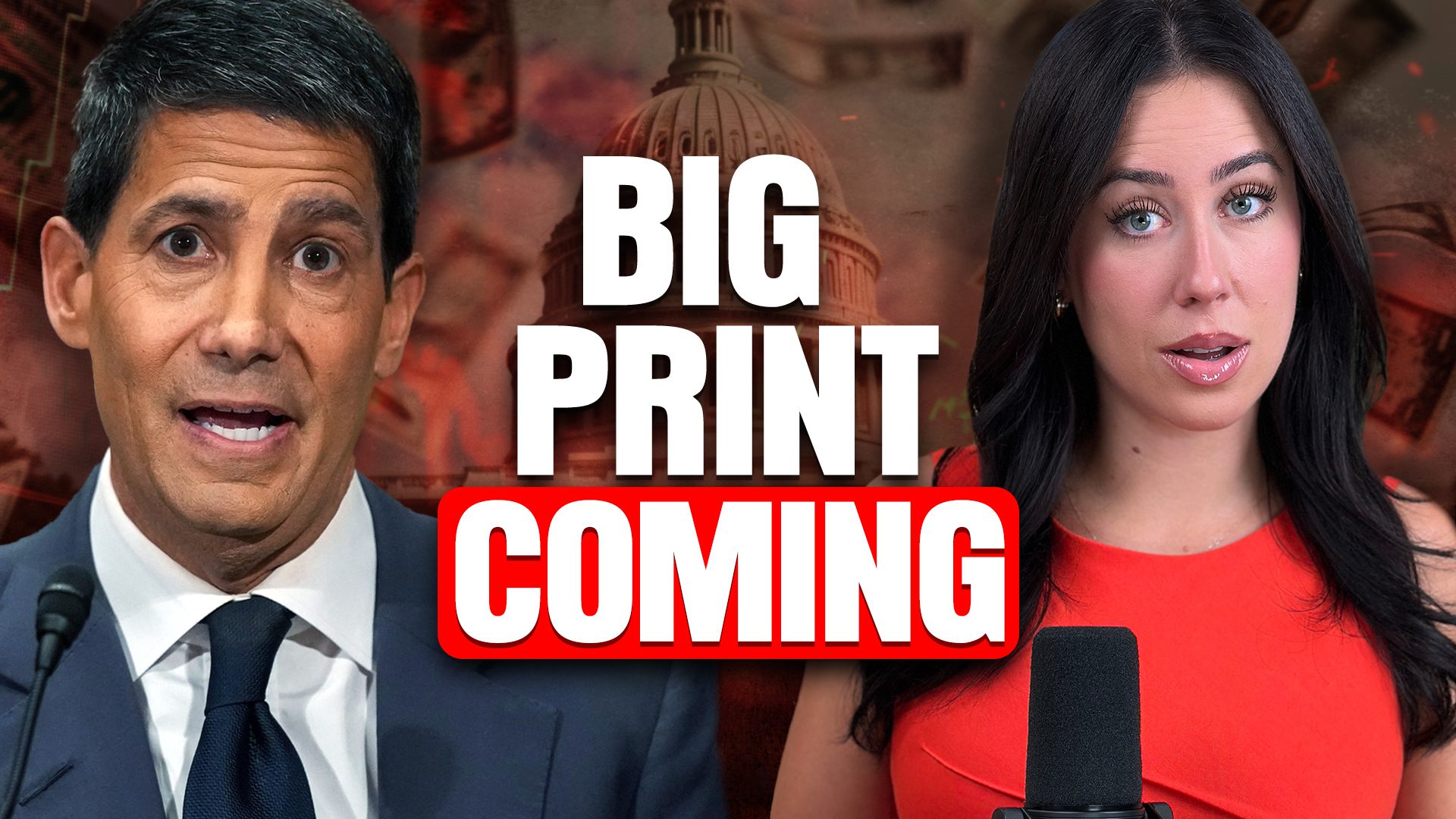
The Fed’s preferred inflation gauge is being revised. Lower PCE readings may shape policy, but they will not reduce household prices.
What happens when inflation falls on government spreadsheets, but your grocery, insurance, and utility bills keep rising?
Inflation may soon appear lower on paper—not because prices have fallen, but because the government is revising parts of the formula used to measure them.
That matters because lower official inflation can influence Federal Reserve policy, Treasury yields, and financial markets.
But it cannot restore the purchasing power already lost from your savings.
The measuring stick may change. Your cost of living does not.
The Government Is Revising PCE Inflation
The Federal Reserve closely watches the Personal Consumption Expenditures Price Index, or PCE.
In May 2026, headline PCE inflation rose 4.1% from a year earlier, while core PCE rose 3.4%. Both remained above the Fed’s 2% target.
The Bureau of Economic Analysis plans to revise how several PCE categories are calculated, including:
- Investment-advice services
- Computer software and accessories
- Legal services
Economists have estimated that the changes could lower May’s core PCE reading by approximately 0.1 to 0.2 percentage points.
That may sound small.
But when the Fed is debating whether to hold or lower interest rates, a few tenths of a percentage point can become powerful policy ammunition.
Lower Inflation Does Not Mean Lower Prices
This is the distinction most headlines will overlook.
Inflation measures how quickly prices are rising. It does not measure whether prices have returned to previous levels.
If an expense rises from $100 to $120, slower inflation does not bring it back to $100. It may simply rise more slowly from its new, higher starting point.
That means:
- Slower food inflation does not make groceries cheap again.
- Slower housing inflation does not reverse prior rent increases.
- Slower insurance inflation does not restore earlier premiums.
- A revised index does not recover lost purchasing power.
A lower official reading may suggest that the pace of damage is slowing.
It does not repair the damage.
The methodology changes may have legitimate statistical reasons. But they could still produce a politically convenient result: inflation moving closer to the Fed’s target without household bills moving lower.
The Fed Needs Inflation to Look Better
The Federal Reserve is trapped between two dangerous choices.
Keeping rates high may help restrain inflation, but it also raises borrowing costs throughout the economy and increases the cost of financing the national debt.
Lowering rates too soon may weaken the dollar, reignite inflation, and encourage more borrowing.
The Fed must choose between:
- Keeping policy tight and risking damage to debt-dependent markets.
- Easing policy and risking further currency devaluation.
A lower PCE reading does not solve this problem.
It makes the problem look more manageable.
Nearly $40 Trillion in Debt Changes Everything
The United States is approaching $40 trillion in federal debt, while annual interest costs have climbed above $1 trillion.
As older government debt matures, the Treasury must often refinance it at higher rates. That steadily increases the government’s interest burden.
This creates enormous pressure for:
- Lower reported inflation
- Lower Treasury yields
- Lower refinancing costs
- Greater confidence in U.S. debt
- More room for the Fed to ease policy
None of this proves that inflation data is being manipulated for political purposes.
But incentives matter.
A methodology change can be statistically defensible and politically convenient at the same time.
The Real Crisis Is a Collapse in Trust
The greatest risk is not a 0.1% or 0.2% revision.
It is the growing divide between official statistics and household experience.
Americans may be told that inflation is improving while continuing to face:
- Higher grocery prices
- Rising insurance premiums
- Expensive medical care
- Elevated utility bills
- Reduced purchasing power
- Greater pressure on fixed retirement income
The national inflation rate is an average. It does not represent every household equally.
For retirees spending heavily on healthcare, housing, food, and insurance, personal inflation may feel much higher than the official number.
Your real inflation rate is the one draining your bank account.
Physical Gold and Silver as Tangible Assets
When confidence in the dollar and official data weakens, investors often ask a more important question:
What is my wealth actually measured in?
A retirement account may rise in dollar terms while those dollars buy less food, housing, energy, and healthcare.
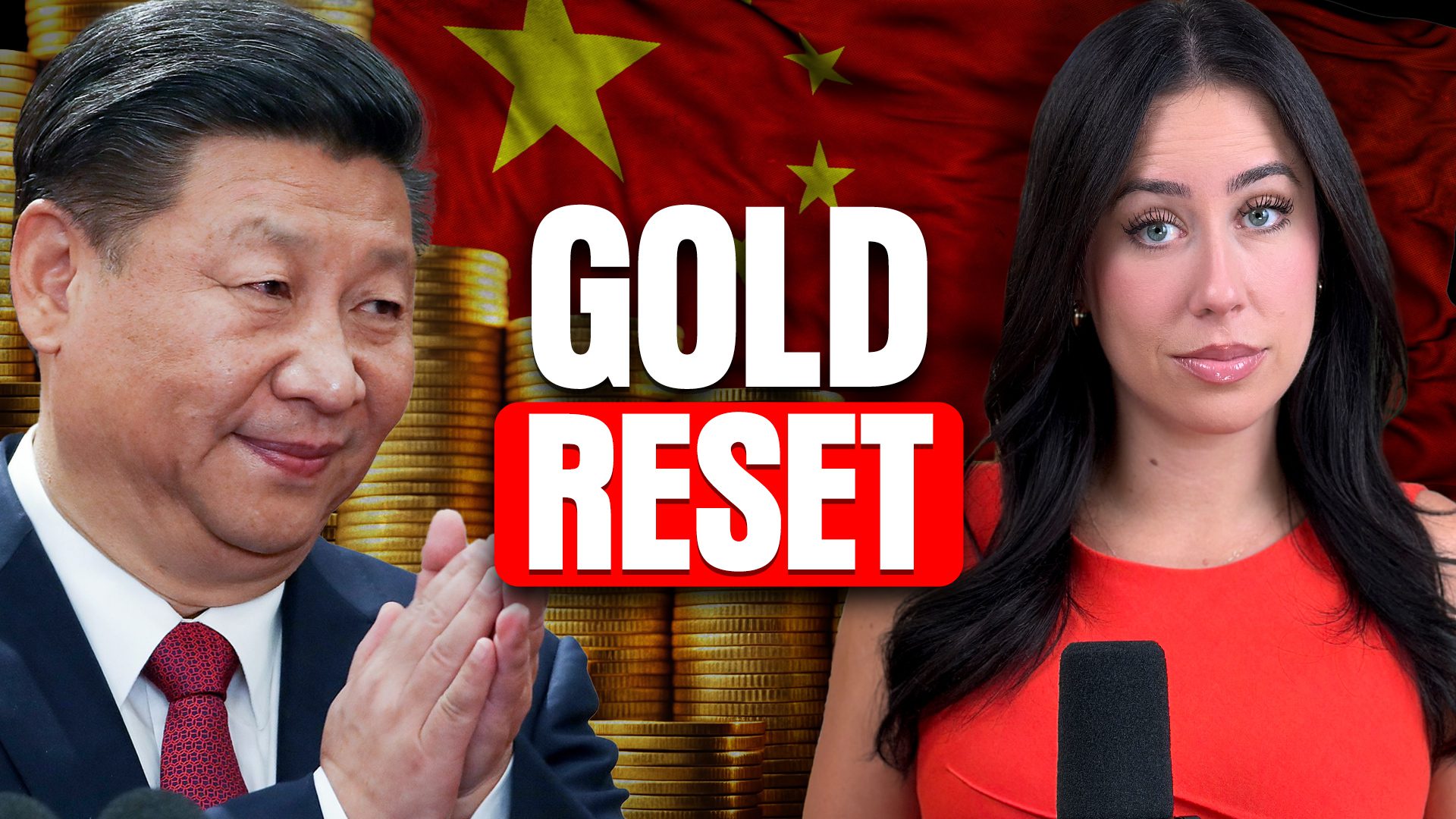
That is why physical gold and silver remain important to many wealth-preservation strategies.
Physical precious metals are tangible assets. When owned directly, they are not another party’s promise to repay dollars in the future.
In the gold vs. dollar debate:
- Dollars can be created in response to financial stress.
- Physical gold and silver cannot be printed.
- Dollar-based assets depend on the currency retaining value.
- Precious metals have no maturity date or issuing government.
Gold and silver can fluctuate in price and involve storage, insurance, and transaction costs. They are not guaranteed to rise in every inflationary period.
Their role is not to promise effortless profits. Their role is to provide an inflation hedge and a form of wealth preservation outside the debt-based financial system.
The Numbers May Improve Before Your Life Does
The government may improve how it measures certain prices.
The Fed may point to lower inflation readings as evidence of progress.
Wall Street may celebrate every decimal point that moves closer to 2%.
But none of that changes the central reality:
The national debt is approaching $40 trillion. Interest costs are surging. Long-term borrowing costs remain elevated. And households continue paying prices that rose during years of monetary and fiscal expansion.
A new inflation formula may give policymakers more flexibility. It will not give your dollars their purchasing power back.
The prudent response is not panic. It is preparation.
Understand how inflation is measured. Track your own household expenses. Know the difference between nominal gains and real purchasing power. And consider whether all of your wealth should remain tied to the same currency and financial system creating the risk.
About ITM Trading
ITM Trading has over 28 years of experience helping clients safeguard their wealth through personalized strategies built on physical gold and silver. Our team of experts delivers research-backed guidance tailored to today’s economic threats.
THINKING ABOUT PURCHASING GOLD & SILVER?
Get expert guidance from our team of analysts with 28+ years of experience.
👉 [SCHEDULE YOUR CALL HERE] or call 866-351-4219