


Your 401(k) Is Bailing Out Wall Street’s Private Credit Collapse
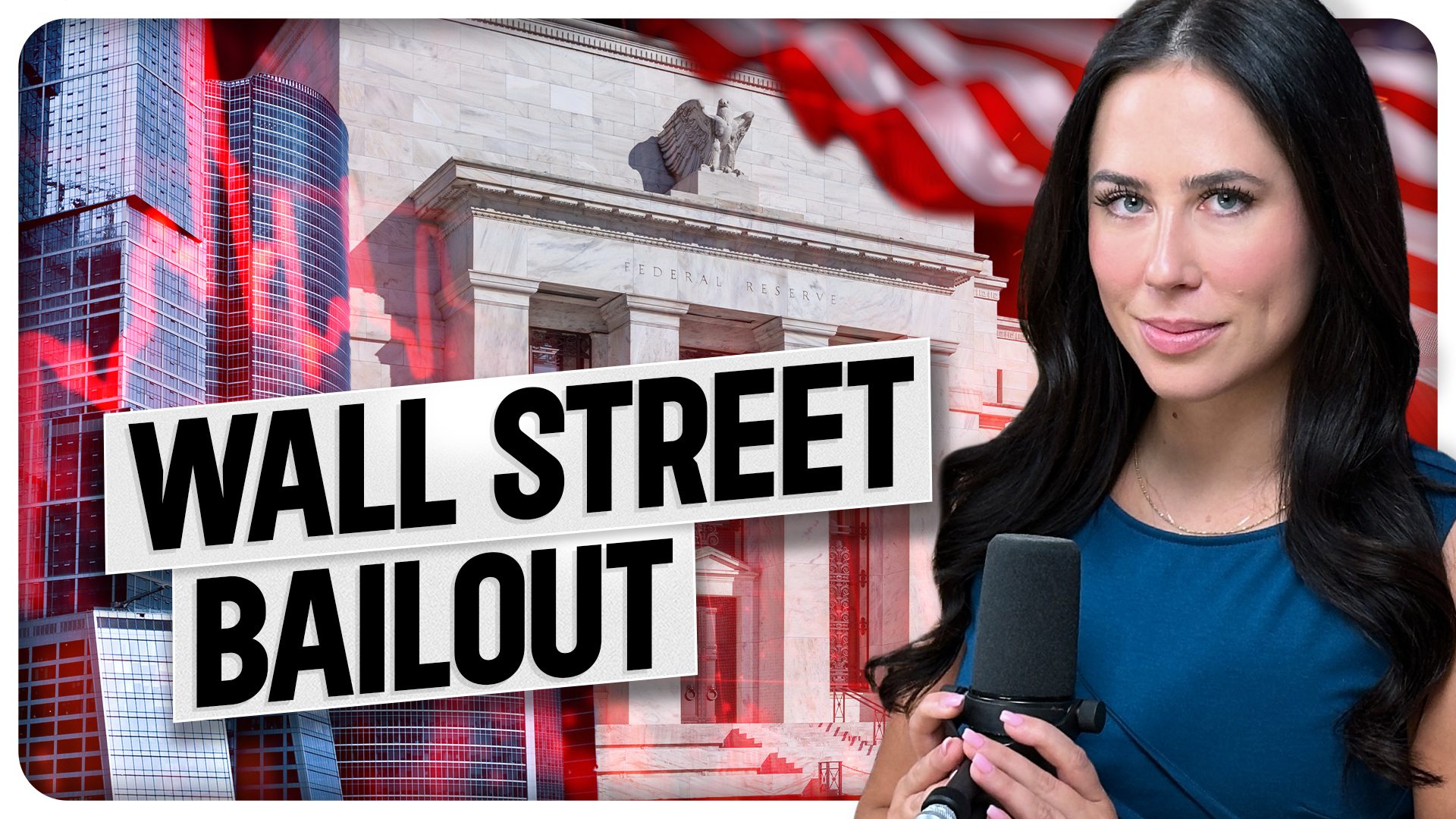
Wall Street is pushing private credit into 401(k)s. Could your retirement be absorbing hidden risk as institutional investors exit?
Is Wall Street Quietly Turning Your 401(k) Into Its Next Exit Strategy?
What if the retirement account you trusted for decades is about to become Wall Street’s dumping ground for risky assets?
The private credit 401k risk story is gaining traction as regulators consider opening the $14 trillion U.S. retirement market to private credit and private equity investments. The pitch sounds appealing: everyday investors finally getting access to the same opportunities as institutional money.
But behind the marketing language lies a much darker possibility.
At the exact moment Wall Street is lobbying to inject these assets into retirement accounts, institutional investors are quietly pulling their money out.
And history tells us what often comes next.
The Rise of Private Credit: A Shadow Banking Giant
Private credit has exploded into a multi-trillion-dollar industry over the last decade.
But unlike traditional banking, it operates largely outside the regulatory framework that governs loans and lending.
Key characteristics of private credit:
- Loans issued by non-bank institutions
- Limited transparency
- Minimal price discovery
- Restricted regulatory oversight
- Long lock-up periods for investors
Major players include firms like:
- Blackstone
- Apollo Global Management
- Goldman Sachs
These institutions lend money directly to companies without the traditional safeguards banks face.
The appeal? Higher yields.
The danger? Hidden risk and illiquidity.
Without standardized reporting or public pricing, investors often don’t know the true value of what they hold.
Why Wall Street Suddenly Wants Your Retirement Money
Here’s the uncomfortable question:
Why are these assets suddenly being marketed to retirement investors now?
Because institutional investors may already be heading for the exits.
Recent trends show:
- Rising redemption requests from private credit funds
- Growing concerns about loan defaults
- Declining valuations across leveraged sectors
Private credit depends on a constant flow of new capital to refinance loans and sustain valuations.
When that funding slows down, the entire system can begin to wobble.
And according to critics, Wall Street may be looking for a new funding source: your retirement account.
As one old market saying goes:
“When retail investors are invited in, institutional investors are often already leaving.”
Liquidity Risk: The Hidden Threat to 401(k) Investors
Most Americans assume their retirement accounts function like long-term savings accounts.
You invest.
You grow your balance.
And when retirement comes, you withdraw.
But private credit funds can operate very differently.
Some funds have already demonstrated the ability to halt investor withdrawals during stress events.
That means:
- Redemptions can be paused
- Investors may be forced to wait months—or years
- Access to retirement funds could become restricted
For retirees depending on distributions, that’s not just inconvenient.
It’s potentially devastating.
The Software Sector Time Bomb Inside Private Credit
Another hidden vulnerability: sector concentration.
Reports indicate that roughly 40% of private credit loans are tied to software companies.
Why does that matter?
Because the tech sector is experiencing rapid disruption from artificial intelligence and shifting business models.
Potential risks include:
- Declining software valuations
- Reduced enterprise spending
- Startups unable to refinance debt
When defaults rise in a concentrated sector, losses can cascade through the entire lending system.
And because private credit reporting is opaque, investors may not see the damage until it’s too late.
A Lesson From 2008: Risk Never Disappears
After the 2008 financial crisis, regulators restricted traditional banks from taking excessive lending risks.
But risk rarely disappears.
Instead, it moves.
In this case, much of that risk migrated into what economists now call the shadow banking system, including:
- Private credit funds
- Private equity lenders
- Non-bank financial institutions
The banks themselves still maintain exposure through financing relationships and partnerships.
So if private credit begins to unravel, the ripple effects could extend back into the traditional financial system.
History has shown us how quickly that domino chain can fall.
Gold and Silver: Why Tangible Assets Matter in Uncertain Times
When financial systems become complex and opaque, many investors start looking for something simpler.
Something tangible.
For thousands of years, gold and silver have served as wealth preservation tools during periods of monetary instability.
Unlike paper assets tied to financial intermediaries, physical metals offer:
- Direct ownership
- No counterparty risk
- Liquidity outside the banking system
- Protection during currency devaluation
That’s why gold and silver historically perform well during periods of:
- Financial system stress
- Inflationary cycles
- Currency debasement
- Banking instability
In a world where retirement portfolios may become increasingly exposed to opaque financial products, tangible assets can serve as a critical diversification strategy.
Suggested image alt text:
- “Gold bars representing tangible wealth preservation”
- “Gold vs dollar purchasing power over time”
- “Silver coins as inflation hedge assets”
The Bottom Line: Know What’s Inside Your Retirement
The biggest danger facing retirement investors may not be volatility.
It may be complexity and opacity.
If private credit and private equity begin entering retirement portfolios at scale, investors could be exposed to:
- Illiquid investments
- Hidden leverage
- Limited transparency
- Potential redemption restrictions
Before the next financial stress event arrives, the most important question might be:
Do you actually know what’s inside your retirement account?
Because if history teaches us anything, it’s this:
When financial systems start shifting risk behind the scenes, the people who ask questions early are often the ones best prepared for what comes next.
About ITM Trading
ITM Trading has over 28 years of experience helping clients safeguard their wealth through personalized strategies built on physical gold and silver. Our team of experts delivers research-backed guidance tailored to today’s economic threats.
THINKING ABOUT PURCHASING GOLD & SILVER?
Get expert guidance from our team of analysts with 28+ years of experience.
👉 [SCHEDULE YOUR CALL HERE] or call 866-351-4219