
$300 TRILLION Derivative Crisis as U.S. Banks Prepare for Bail-Ins
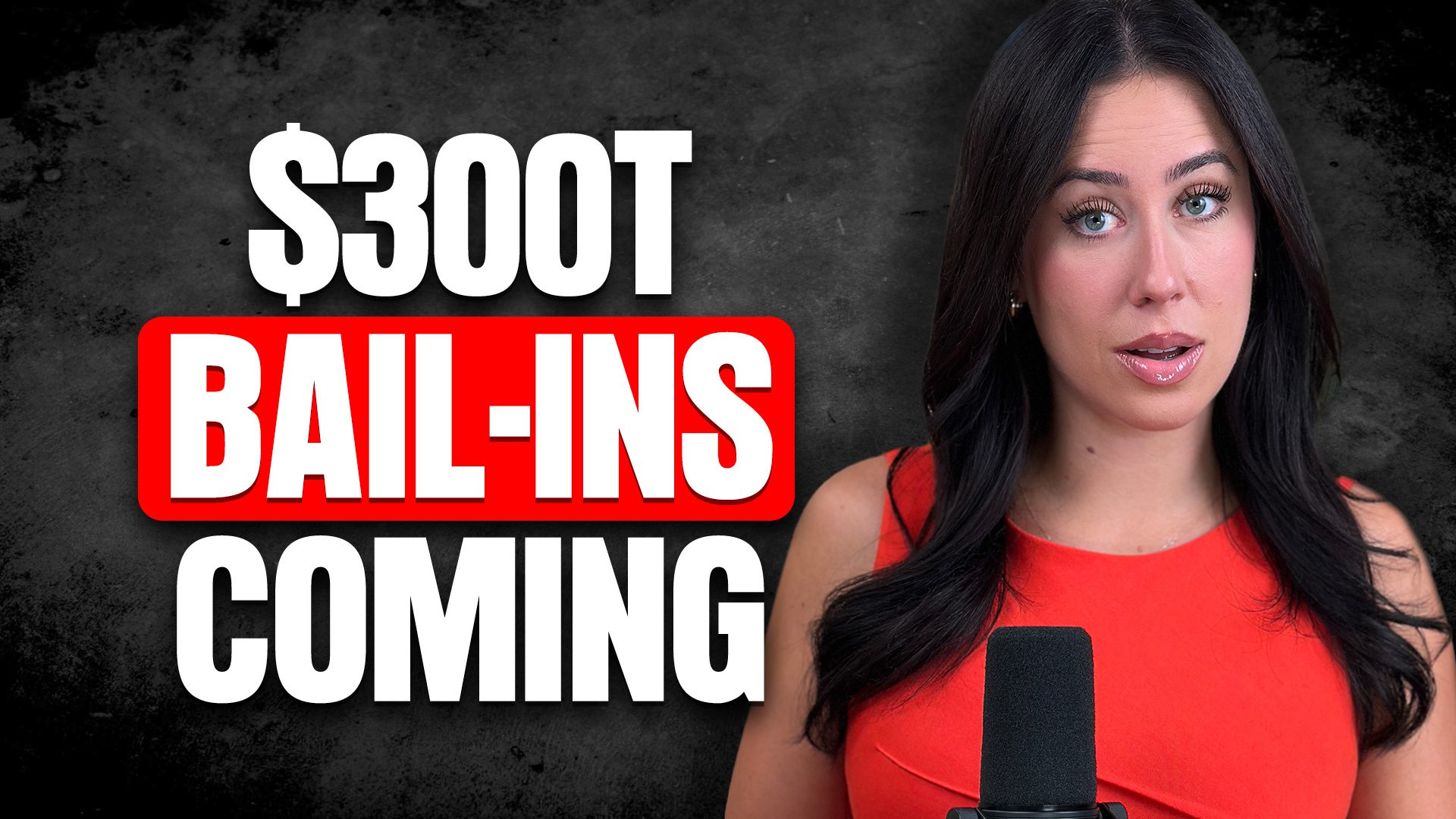
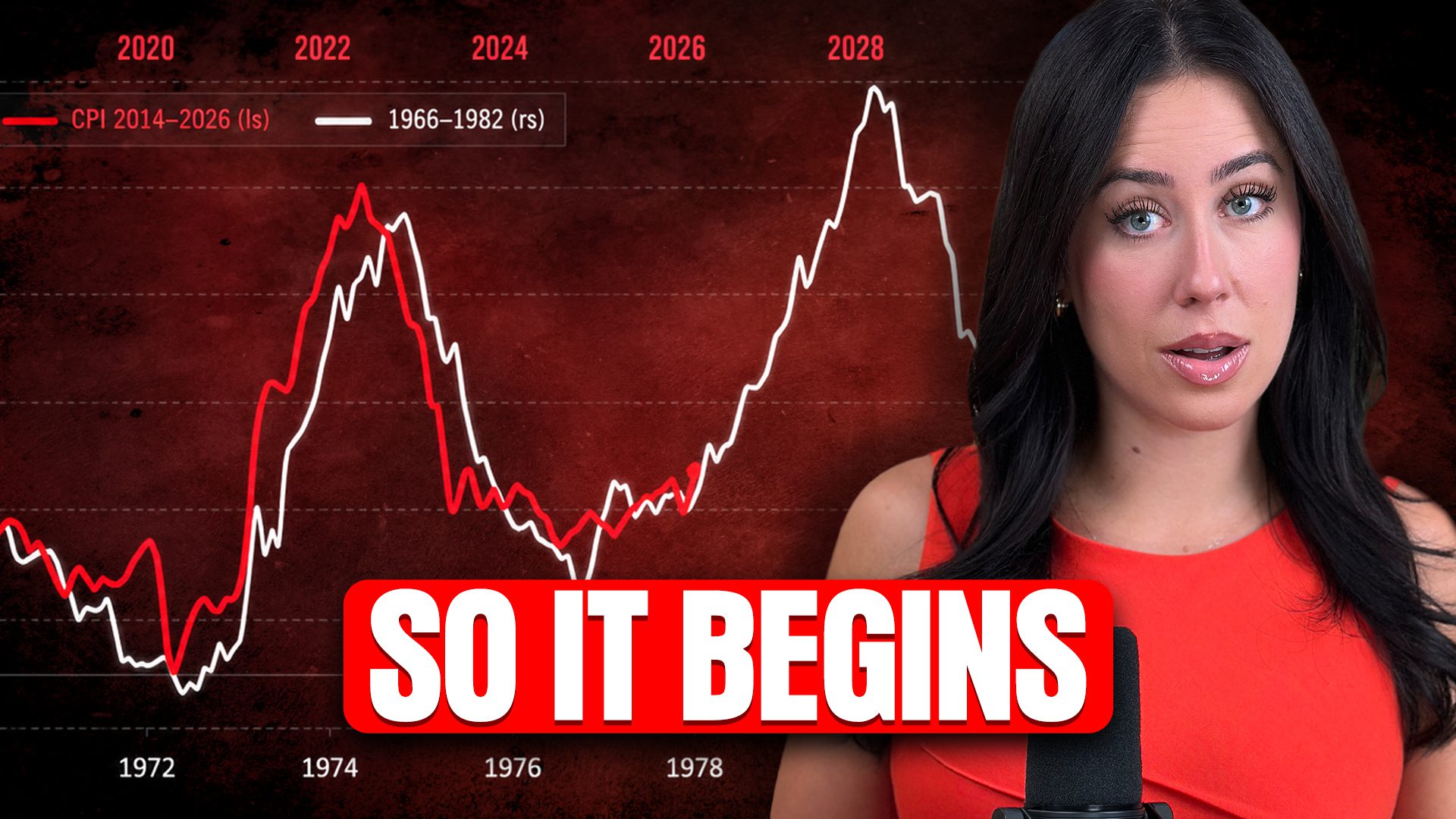
U.S. banks are holding over $300 trillion in derivative contracts, while a troubling wave of consumer defaults is raising new questions about financial stability. In this video, Taylor Kenney breaks down the little-known bank bail-in framework, the warning signs appearing in consumer debt, and what the FDIC actually protects when a bank collapses.
$300 Trillion Derivative Crisis: Is 2008 Happening Again?
What happens when U.S. banks hold over $300 trillion in derivatives and the rules for the next banking crisis have already changed? With consumer defaults rising and financial institutions deeply interconnected, the threat of bank bail-ins deserves serious attention.
According to the Office of the Comptroller of the Currency (OCC), U.S. banks held approximately $300.5 trillion in notional derivatives during the second quarter of 2026. While that figure doesn’t represent actual losses, it exposes the extraordinary scale of financial contracts concentrated inside America’s banking system.
Before the 2008 financial crisis, banks bundled risky mortgages into complex securities, spreading exposure throughout the financial system. When borrowers defaulted, those supposedly safe investments collapsed, triggering devastating losses.
Today, derivatives remain deeply embedded in major banks. These contracts are often used for hedging, but they also create interconnected risks when counterparties experience financial distress.
The danger isn’t simply the size of these contracts. It’s how quickly problems can spread when confidence disappears.
And another warning sign is emerging: consumer debt.
Subprime Auto Loan Defaults Raise New Concerns
Americans increasingly depend on credit to afford everyday necessities, including transportation.
With vehicle prices and financing costs elevated, borrowers with weaker credit histories are struggling.
Auto loans can also be bundled into asset-backed securities and sold to institutional investors, creating additional connections throughout financial markets.
When defaults increase, the consequences may extend beyond individual lenders.
The similarities to 2008 are concerning, although auto lending represents a different market with different risks.
When struggling consumers meet highly interconnected financial institutions, the potential for broader financial stress increases.
Bank Bail-Ins: Could Your Savings Be at Risk?
Following the 2008 crisis, Congress passed the Dodd-Frank Act, creating new procedures for resolving failing financial institutions.
Unlike traditional bailouts, certain resolution strategies impose losses on shareholders and unsecured creditors.
This is where bank bail-ins enter the conversation.
Under these arrangements, eligible creditors may absorb losses to help stabilize or resolve a failing institution.
However, FDIC-insured deposits remain protected within applicable coverage limits.
The FDIC generally insures qualifying deposits up to $250,000 per depositor, per insured bank, per ownership category.
Americans holding balances above those limits could face greater exposure during a bank failure.
Understanding where your money sits, and how much is insured, is essential.
Cyprus and Lebanon: Warnings From Previous Banking Crises
History demonstrates how quickly banking confidence can disappear.
In 2013, Cyprus imposed substantial losses on certain uninsured bank deposits during its financial restructuring.
Lebanon’s banking crisis, beginning in 2019, left many depositors facing prolonged restrictions on accessing their savings.
These situations differ significantly from the United States, but they reveal an uncomfortable reality.
Money displayed in a bank account isn’t always immediately accessible during severe financial turmoil.
Physical Gold and Silver: Wealth Preservation Beyond Banks
This uncertainty explains why financially conservative Americans increasingly consider tangible assets.
Unlike bank deposits, directly owned physical gold and silver don’t represent liabilities owed by commercial banks.
Gold has historically served as a long-term store of value, while silver provides both monetary history and industrial demand.
Neither guarantees protection against losses, but both offer diversification beyond traditional financial assets.
For retirement-focused investors, physical precious metals can complement a broader wealth preservation strategy and provide an alternative to complete dependence on banking institutions.
Prepare Before the Next Banking Crisis
The $300 trillion derivative market, rising consumer debt stress, and post-2008 bank resolution rules raise important questions about financial stability.
Another crisis isn’t guaranteed, but preparation shouldn’t depend on predicting one.
Know your banking exposure, understand deposit insurance limits, and consider whether physical gold and silver belong in your financial protection plan.
About ITM Trading
ITM Trading has over 28 years of experience helping clients safeguard their wealth through personalized strategies built on physical gold and silver. Our team of experts delivers research-backed guidance tailored to today’s economic threats.
THINKING ABOUT PURCHASING GOLD & SILVER?
Get expert guidance from our team of analysts with 28+ years of experience.
[SCHEDULE YOUR CALL HERE] or call 866-351-4219.